February 10, 2013 Wellington, New Zealand


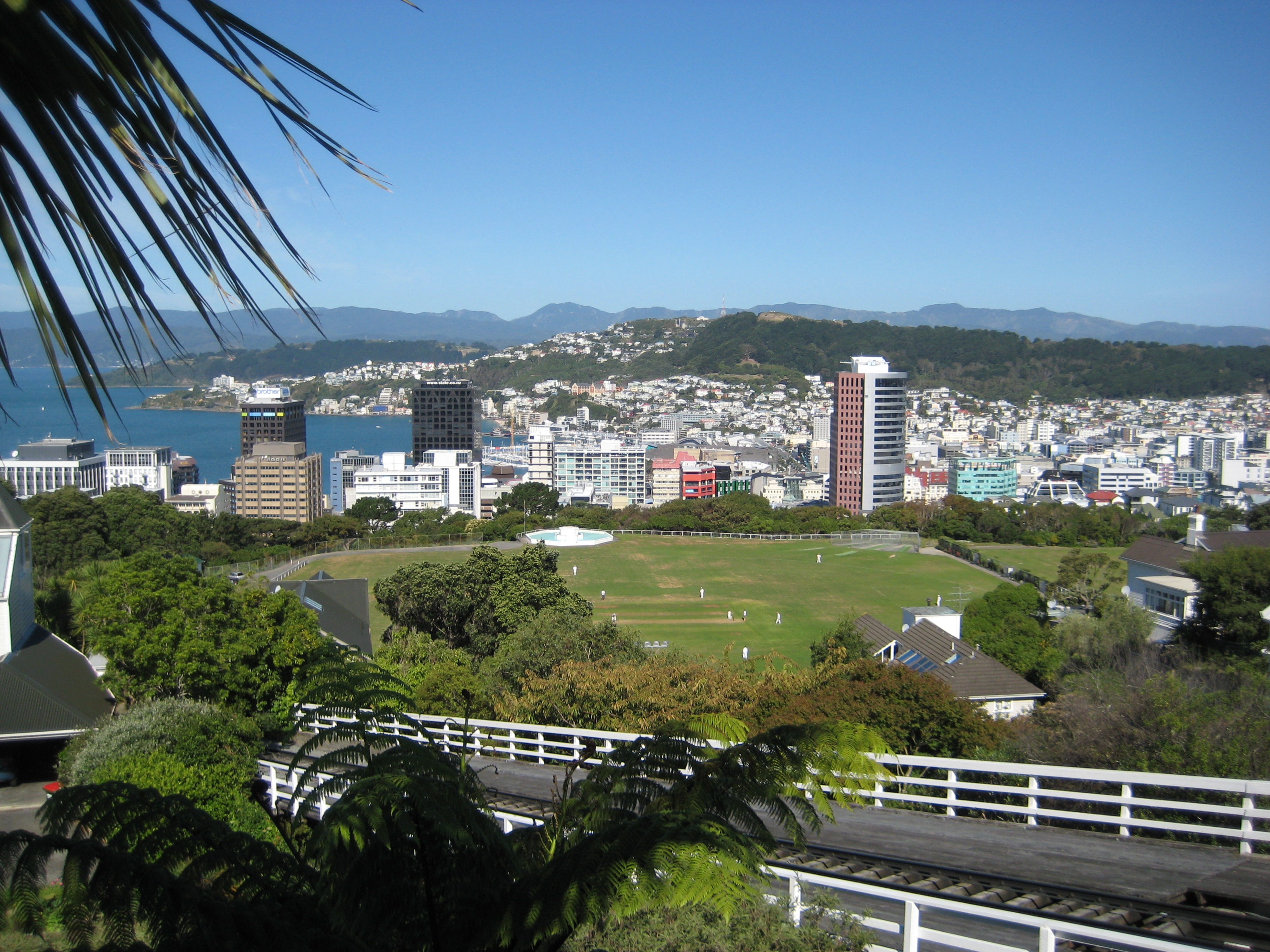
View of Wellington from the Botanical Garden
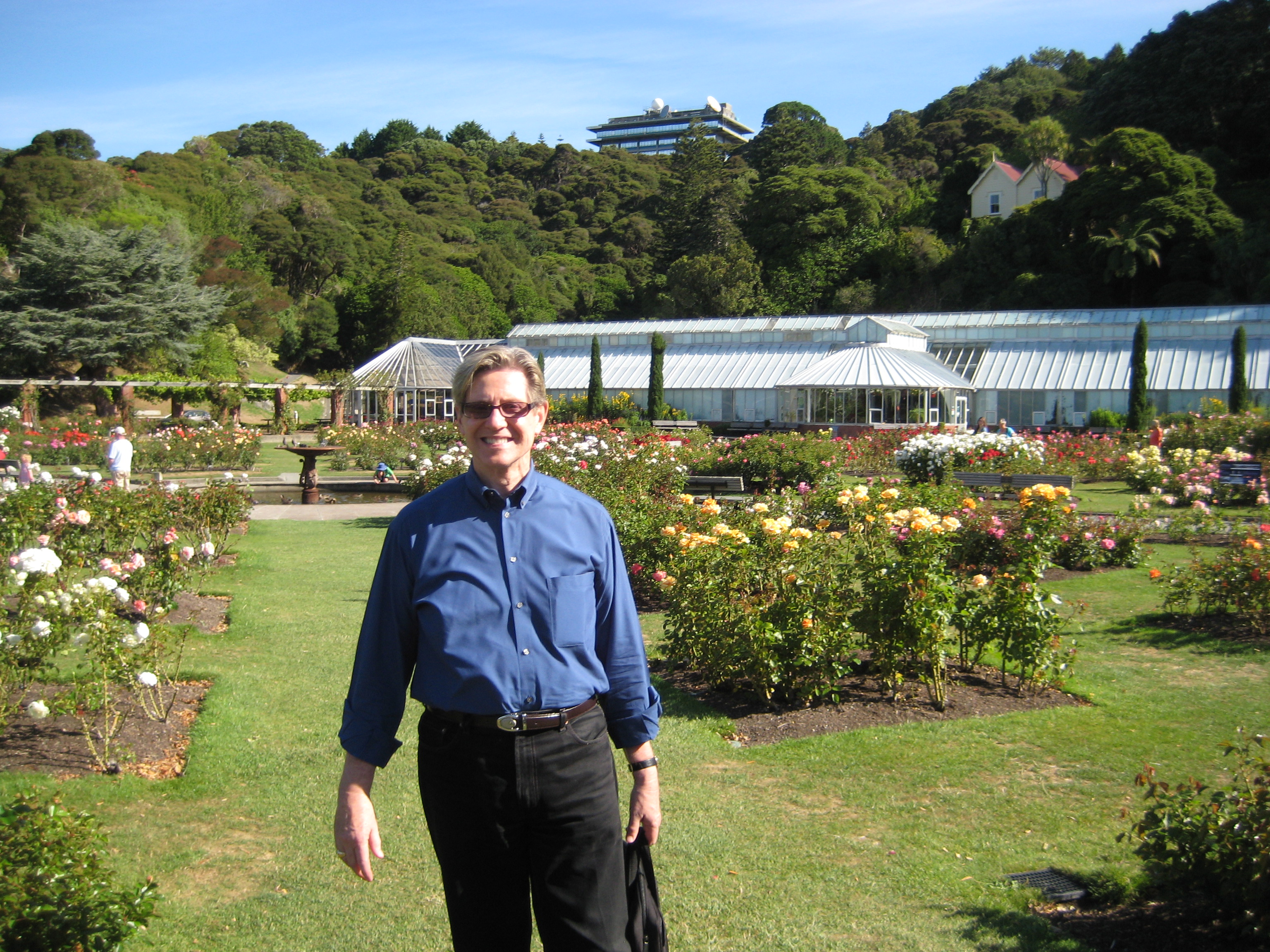
View of Wellington from the Botanical Garden

Wellington Botanical Rose Garden
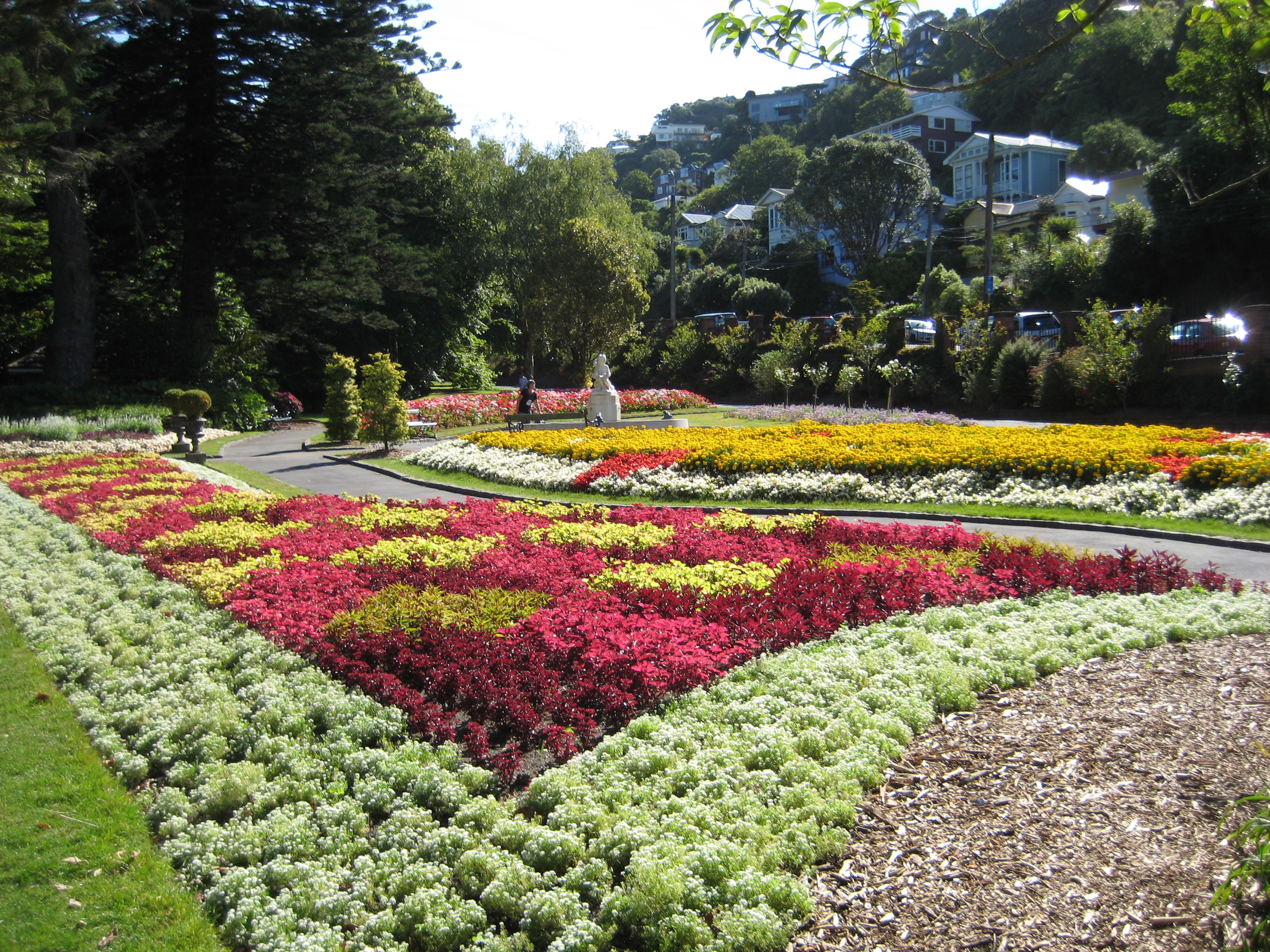
Wellington Botanical Rose Garden

Wellington Botanical Garden
Wellington Botanical Garden


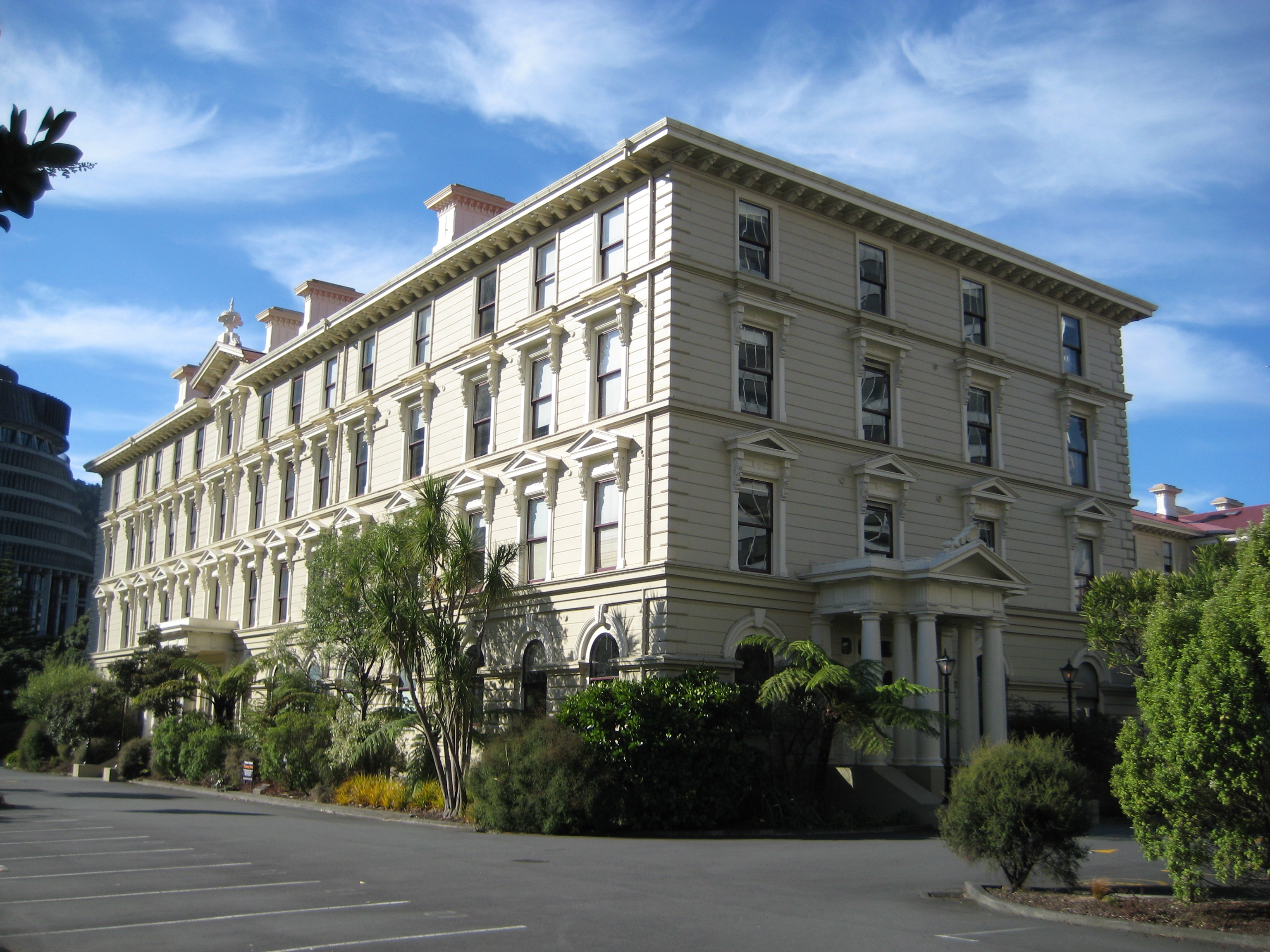
Wellington's Largest Wooden Building

Wellington’s Largest Wooden Building

February 10, 2013  Wellington, New Zealand

Wellington is located at the southern most tip of the north island of New Zealand. It is also the southern most national capital in the world with latitude of 41degrees south. In 1865, Wellington became the capital of New Zealand, replacing Auckland, where William Hobson had established his capital in 1841. Parliament first sat in Wellington in July of 1862, but the city did not become the official capital for some time. In 1853, Premier Alfred Domett believed that if the capital was not moved to the Cook Strait that the southern regions where the gold fields were located would form a separate colony. Because of its southern location and its omnipresent winds through the Cook Strait, the city is known by locals as “Windy Wellington”.

The local tourism authority has provided a shuttle bus for us to take from the port into the heart of town today. It is a Sunday so many of the shops and businesses are closed. We did not have a tour scheduled so we set out on foot to explore the city on our own. Much of the area along the waterfront was reclaimed many years ago after an earthquake raised the level of the ground. This has created a marvelous seaport area, which is extremely nice. They have their civic square, library, Museum of Wellington, Te Papa Museum, a park and much outdoor public space along the waterfront. On this day they were having a farmer’s market where you could purchase not only fruits and vegetables but also a large variety of food and handicrafts were available. After exploring the waterfront area we headed up Cuba Street, which is a pedestrian only street lined with shops, restaurants and many street performers. This area is a bit more bohemian where the people look a bit hippie like. Many of the people look less well kept, have longer hair and the shops are a bit on the funky side. We stopped at a fish market on Cuba Street, which also served prepared food, for some local fish and chips.

After lunch we headed out along Lambton Quay, which was the waterfront street prior to an earthquake, but today it is several blocks inland from the bay. Along Lambton we found the more commercial office buildings, department stores as well as five shopping malls. The shops and the street here were beautifully maintained with colorful landscaped medians and beautiful facades on the buildings.

Along Lambton Quay we took the Wellington Cable Car, which was originally opened in 1902 to carry folks up the steep hillside to the plateau above. Originally a steam operated system, which was replaced with electricity in 1933 and finally replaced with a modern Swiss designed system in 1978. At the top of the cable car track you are greeted with fantastic views out over the city and bay of Wellington.

Once at the top of the hill we entered the Wellington Botanic Gardens, which is an enormous open parkland and is beautifully maintained and free for everyone to enjoy. The gardens were established in 1868 as part of a program to import plant species and assess their economic potential to the new colony. There is a very well marked path that we took down hill through the gardens back to the city. Along the way we passed the Lady Norwood Rose Garden, a begonia house, a tree house visitors center, a children’s play area and acre after acre of beautiful landscaped grounds.

At the lower end of the gardens is the Bolton Street Memorial Park, which was first established in 1840 as a cemetery. For 50 years, it was administered as three separate cemeteries; Church of England, Jewish and public. In 1892 it was closed except for new burials on existing family plots. Between 1968 and 1971 the cemetery was temporarily closed to the public while 3,700 bodies were exhumed to allow construction of the new urban motorway, which goes right through the old cemetery today. The remains were moved to a large vault and the headstones were relocated into the remaining cemetery lawns. Today it is very well maintained and a piece of history with all of the interesting headstones from the 1800’s.  Mark loves looking at cemeteries.

Once we arrived back in the port area we checked out Wellington’s government buildings including one they call the “Beehive” because of its unique beehive like shape. Wellington also is home to the second largest wooden structure in the world, which once served as the city’s government offices. Several interesting church’s including Old St. Paul’s and Wellington Cathedral were on our tour.  We had walked for almost eight hours.

Back onboard the ship there was a New Zealand Food and Wine festival poolside. Many varieties of seafood, lamb, cheese and other local dishes were being featured. Tonight’s entertainment was a quartet called “Black Tie”. Two brothers and their wives sang as well as played the piano and cello. It was a different act but not particularly fabulous.

February 9, 2013 Napier, New Zealand


Napier Cruise Terminal

Napier Cruise Terminal

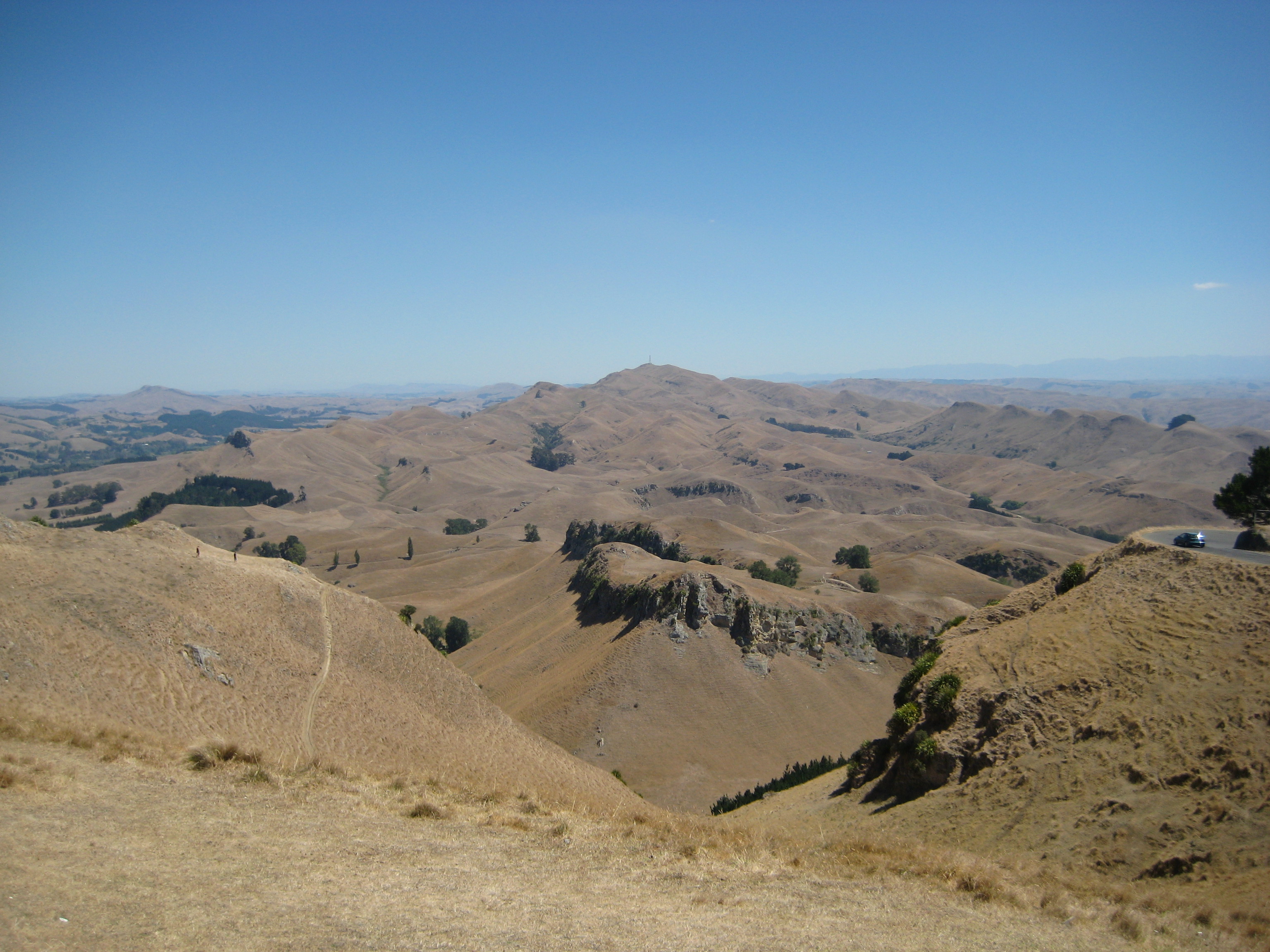
View from Mt. Te Mata

View from Mt. Te Mata

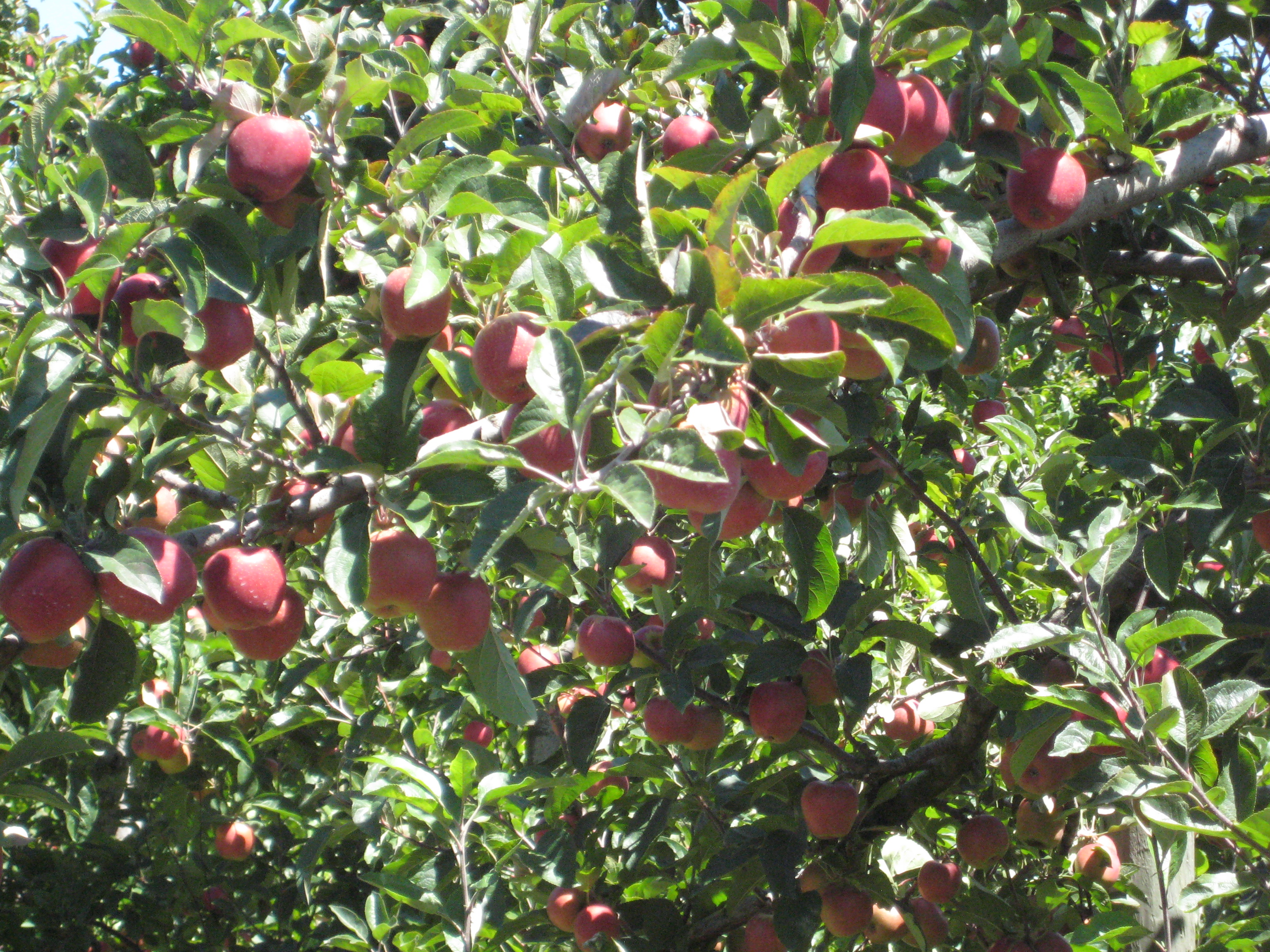
Apple Trees at the Pernel Orchards

Apple Trees at the Pernel Orchards

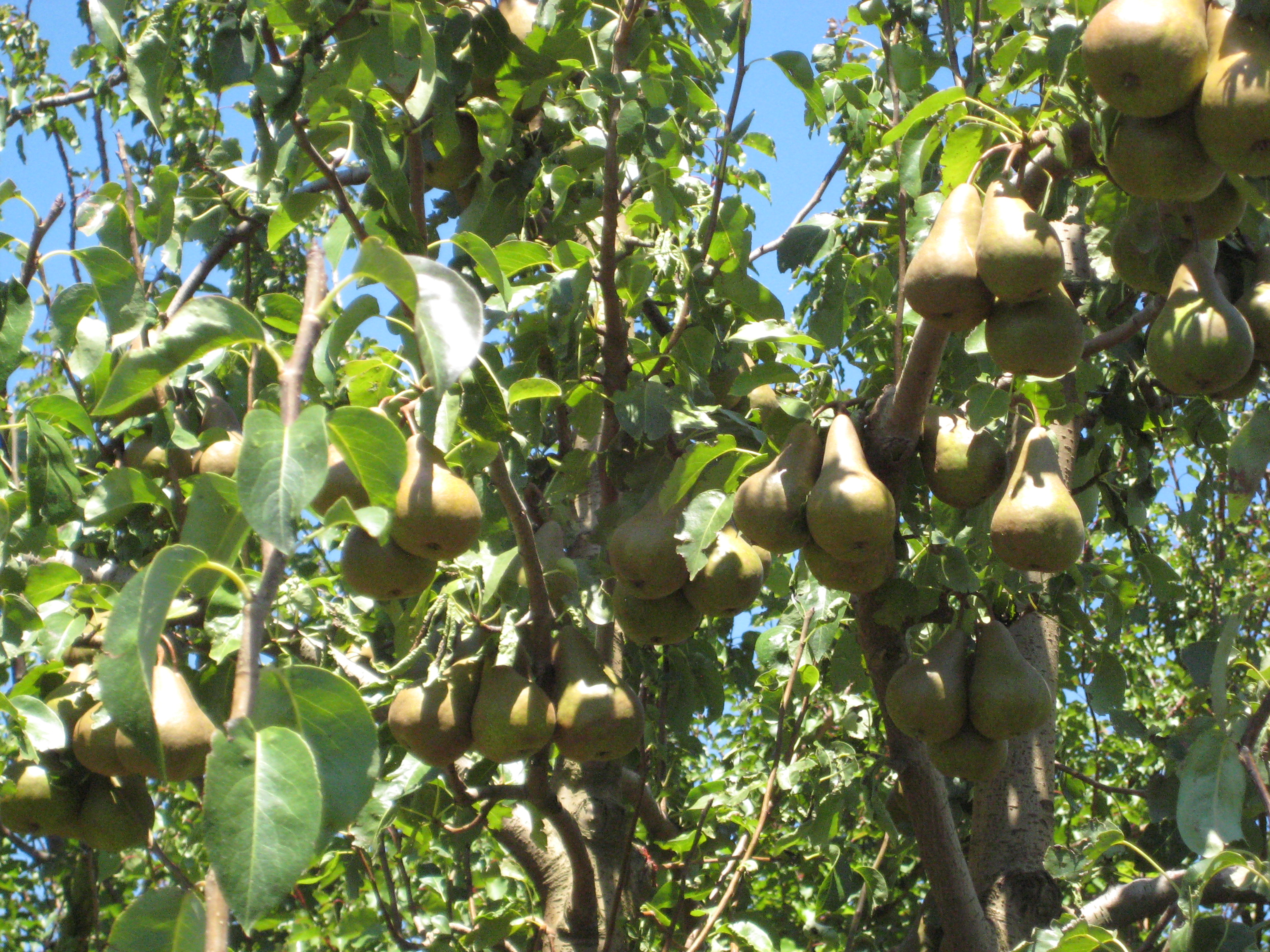
Pear Trees at the Pernel Orchards

Pear Trees at the Pernel Orchards

February 9, 2013  Napier, New Zealand

Napier is located in Hawke’s Bay and is a popular tourist city and has one of the most photographed tourist attractions in the country, a statue on the waterfront called Pania of the reef. This area attraction is regarded in the same way by the locals, that the Little Mermaid statue is regarded in Copenhagen. Napier was named after Sir Charles Napier, a British war hero. On February 3, 1931 the city was leveled by a 7.9 magnitude earthquake, which killed 258 people. Since Art Deco was popular at the time of the earthquake many of the reconstructed buildings were re-built in this style.  Napier and Miami, Florida are considered two of the best- preserved Art Deco towns in the world. Every February the area attracts thousands for their Art Deco event celebrating Napier’s Art Deco heritage and history.

This fertile delta between the Ngaruroro and Tuki Rivers has rich soil and a Mediterranean climate. Hawke’s Bay has more than 20 small vineyards and produces many award winning wines. Missionaries planted the first New Zealand grapes for sacramental wine back in 1838.

We took a short tour of the area. We were taken to a panoramic summit called Te Mata Peak Lookout where we saw beautiful views of orchards, gardens, vineyards, rivers, towns and the coast. We then headed to the nearby town of Hastings often referred to as the “fruit bowl of New Zealand” because of the large amount of fruit grown in the region. We stopped at the Pernel Orchard for a tour of the orchards and a sampling of the fresh fruits. They were picking apple and pear trees which were just loaded down with beautiful fruit. The orchard also has a paddock with some sheep for the children to see up close.

Our next stop, was at Silky Oak Chocolates, where we saw the chocolate making process and were able to sample some handmade chocolate. We also visited a small museum called “Chocolate Through the Ages” which detailed the history of chocolate from the Aztec times to the present day.

Our tour wrapped up with a driving tour along Tennyson Street for a look at Napier’s art deco architecture. On this day there was a bagpipe competition so the towns park was filled with kilt wearing men with bagpipes. Next weekend they will have their annual art deco festival in conjunction with the anniversary of the 1931 earthquake. People come from around the world dressed in period clothing to participate in wine and food festivals and lots of entertainment.

The weather was perfect with the temperature in the high 70’s and a clear blue sky.

The nightly entertainment was a ventriloquist by the name of Jimmy Tamley who was very talented. He had a grandfather figure, a parrot and a baby as his props when he was not using audience members as his dummies.

February 8, 2013 Tauranga, New Zealand


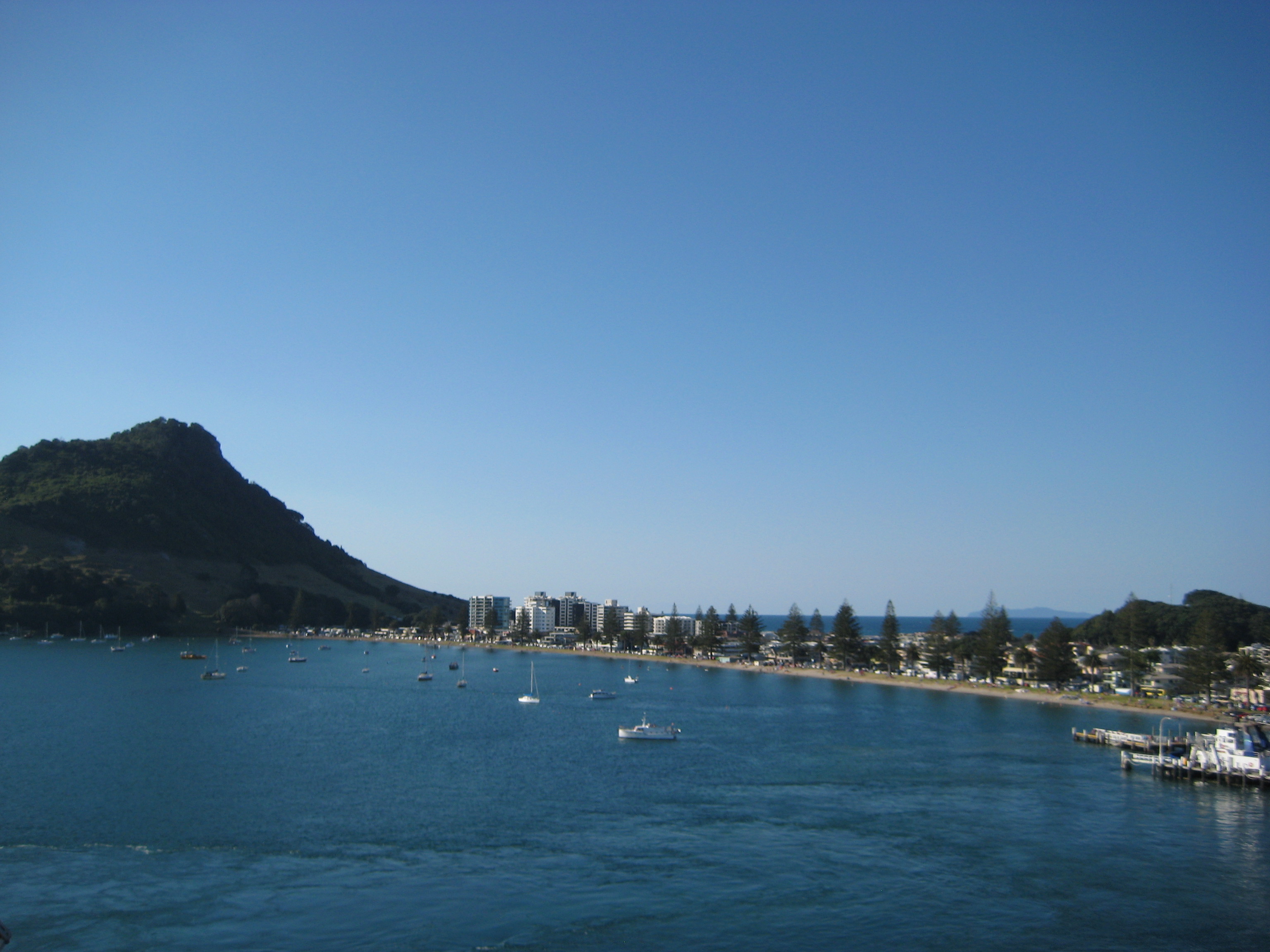
Beach and Bay at Mt. Maunganui-Tauranga

Beach and Bay at Mt. Maunganui-Tauranga

Kiwi House

Kiwi House

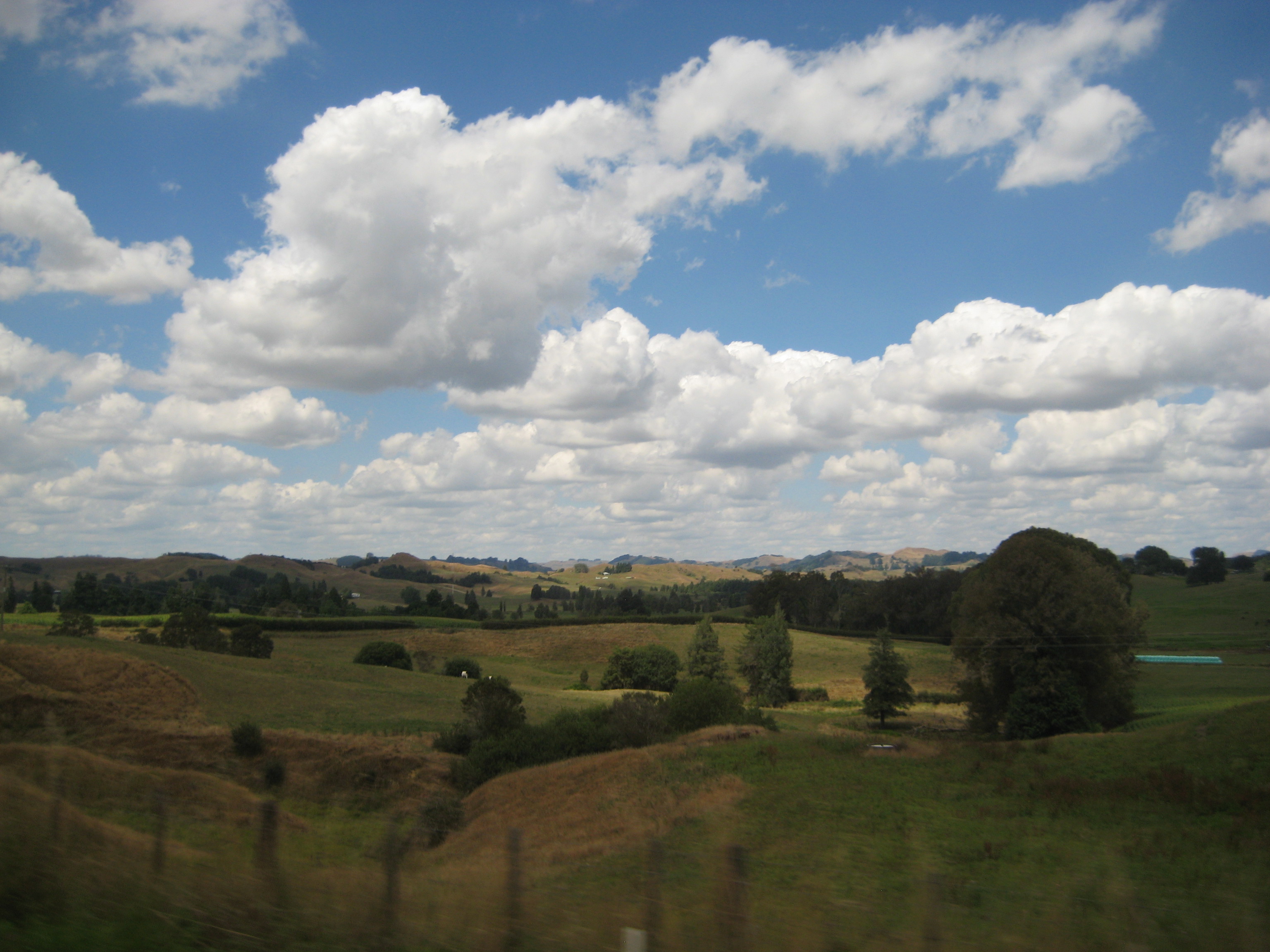
Tauranga Landscape

Tauranga Landscape

February 8, 2013  Tauranga, New Zealand

Tauranga is the western part of the Bay of Plenty, which extends from Katikati and Waihi Beach to Papamoa and Te Puke on the coast and south to the Kaimai ranges. Captain Cook saled into the Bay of Plenty on the Endeavor in 1769, giving it it’s name, because of the number of thriving settlements of friendly Maori people and the amount of supplies that they gave him. Tauranga enjoys the greatest number of sunny days in all of New Zealand. It is also one of the largest ports in New Zealand, exporting produce from the rich surrounding as well as logs, woodchips, and timber products. It is a very desirable area for retirees attracted by the temperate climate and modern facilities.

We were docked at the small town of Mt. Maunganui, which means “Big Hill” and refers to the adjacent hill formed by a volcano, which is about 750 feet tall. The hill has a popular trail around the base, which then leads you gradually up the hill to the top for a beautiful view of the surrounding harbor.

Our tour today took us to the famous Waitomo glow-worm caves, which is about a two-hour drive from the port. The caves were discovered by the Maori in the late 1800’s and they have been giving tours of the caves ever since. A portion of the tour is on foot where you see stalactites and stalagmites, but the most impressive glow-worms are seen from a boat on the river. Once you have descended into the caves you are loaded into a small boat that holds about twenty people for a short ride through a couple of caves where the majority of the greenish bioluminescent worms are hanging from the ceiling of the cave. The worms have a very short lifespan of only a few days but are quite unique and a sight to see.  Some of our companions thought the caves looked “Disneyish” and others thought the glow came from LED lights!

We also visited the Otorohanga Kiwi House where we were able to see the national bird of New Zealand, the Kiwi. The Kiwi is a flightless bird belonging to the ratite order of birds, which includes such creatures as the Emu. The Kiwi is a nocturnal, tailless bird with loosely attached feathers giving it a shaggy appearance. Its nostrils are located at the tip of a long bill giving it a great sense of smell. They also have excellent hearing and eyesight and have cat-like whiskers. They eat mostly beetles, caterpillars, cicadas and spiders as well as berries. The Kiwi nest in burrows where the female lays one or two very large eggs over a period of a couple of weeks. The eggs are about one-fifth of the female’s body weight. The male incubates the eggs over a period of 72 to 84 days when the chick emerges from the shell wearing its shaggy adult plumage. The chick remains in the burrow for six to seven days without food or water. The yolk sac remains attached to the chick at birth and provides nourishment until the chick can venture out of the burrow to eat. During this time the chick will have lost 25% of its body weight. Once feeding commences, it will take 10-15 days for the chick to regain its birth weight. The Kiwi is nearly extinct from a host of introduced predators like cats.

We then headed to the Waikato dairy region where we enjoyed a delicious lunch at the private home of a dairy farmer. Lunch included roasted lamb, meatloaf, potatoes, deviled eggs, green salad, beets, and a dessert of vanilla ice cream with fresh fruit in syrup.

Tonight’s entertainment was a comedian by the name of Kevin Jordan who is a former LA police officer. He used his powerful police officer flashlight to see and interact with the audience. He was very funny and different.

February 7, 2013 Auckland, New Zealand

February 7, 2013 Auckland, New Zealand

The sheep of New Zealand are more plentiful than the people. New Zealand has a population of 4.3 million people but they boast a sheep population of 45 million. In the 1850’s the first large-scale wool producing operations was established on the North Island. With the invention of refrigerated shipping in 1882, the first ship called the Dunedin sailed from New Zealand to England filled with meat. This was the beginning of a booming meat industry, which began to replace wool as the major export industry. Today, breeds of sheep have been developed to produce a variety of wool and meat types.

We took a bus to the Auckland War Memorial Museum today, which is a short bus ride from downtown. The museum is located on a hilltop, which was the site of great battles and includes nice views out over the city. This is called a war memorial museum but it is a very comprehensive museum with a much greater collection than just the war history of New Zealand. There is a large Maori antique collection, a section on natural history, volcanoes, oceans, a children’s museum, special exhibits, and so much more. We took a guided tour of the highlights of the museum and then explored on our own.

We then walked back to the ship through the Parnell area of town with antique shops, gift shops and many small cafes and restaurants. Auckland is a very well kept city that feels safe and fairly easy to navigate.  The city is full of young people, many of whom are Asian students sent here by families to study and learn English.  It is apparently closer to home and less expensive than studying in the USA.  Many other European young people are here as well.  You might think the average age of people in Auckland was 25 if you judged by the age of the people on the streets.  Some hotties!

We set sail this afternoon for Tauranga. Our friends Patrick and Stephen had disembarked a day earlier to continue their vacation on land and had come to the port to see us off. We miss their laughter and friendship already.

The entertainment on this night was a singer, songwriter and recording artist by the name of Patrick McMahon who is from Australia. He had more energy than anyone I know and bounced around the stage. He sang songs from Neil Diamond, Johnny Cash, Elvis Presley and more.

February 6, 2013 Auckland, New Zealand

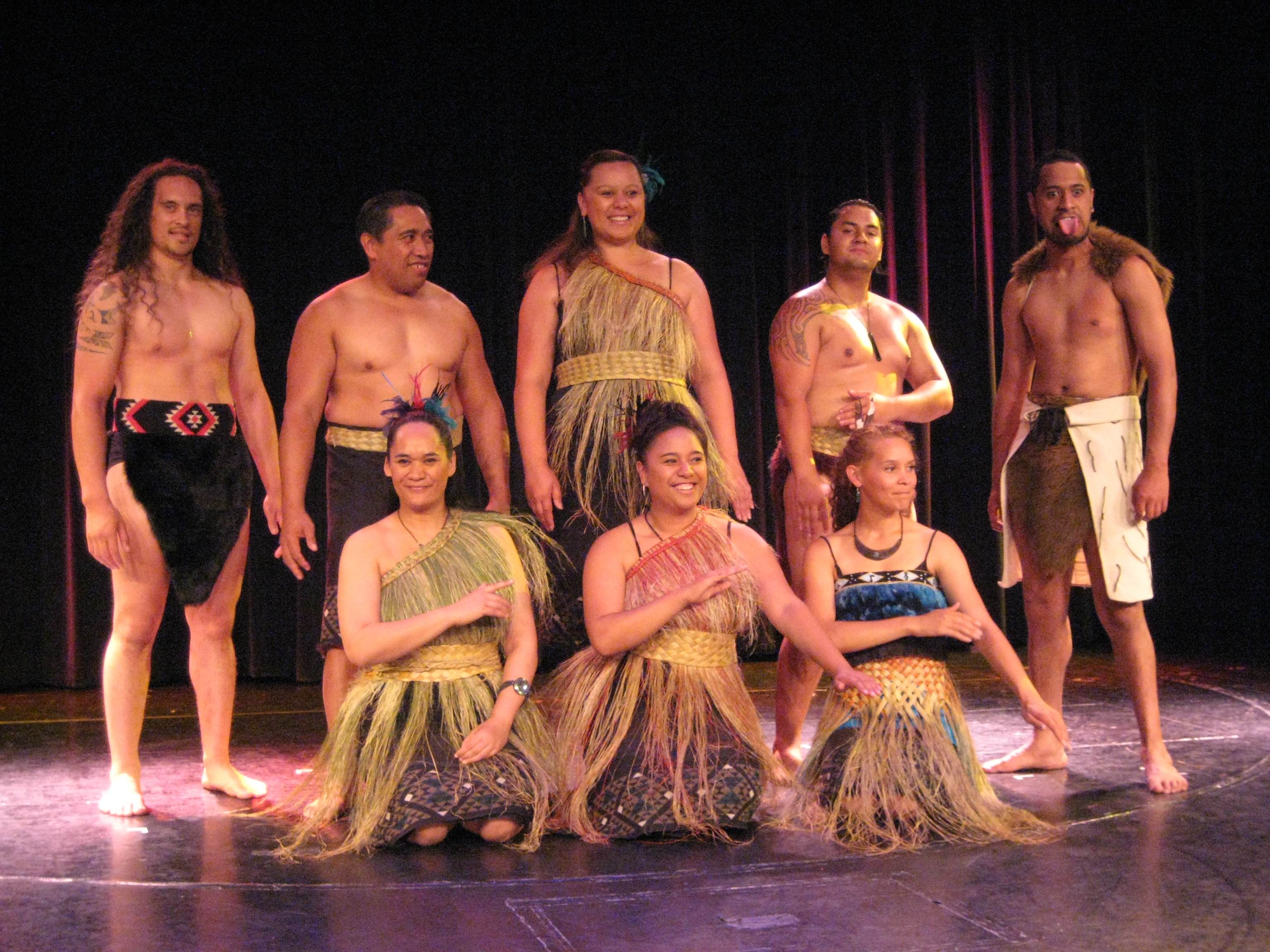
Maori Folkloric Show

Maori Folkloric Show

February 6, 2013 Auckland, New Zealand

To New Zealanders, Auckland is known as Queen City or City of Sails. Auckland is the largest and most modern city in New Zealand and is located on the north island. Within an hour drive from the city, you will find 102 beaches for swimming, surfing, waterskiing or sail boarding. There are over 70,000 powerboats and sailing craft or one per every four households.

Our ship is docked at the foot of the main shopping street called Queens Street in the heart of the commercial district, which is very convenient. Auckland has a sky tower very similar to the space needle you find in Seattle.

We explored the beautiful wharf area that has many restaurants, a fish market, boat docks, outdoor art and children’s play areas along the waters edge. This area was once much more industrial but today it is being converted to a wonderful public space. We also picked up a heritage walking tour book with several architectural tours of the downtown area. Many of the historic downtown buildings date back to the late 1800’s and it is easy to walk right past them with out stopping to appreciate the unique architecture. Many of these buildings were originally built for successful local businesses that ranged from banks and insurance companies to confectioners and drapery shops.

Back onboard the ship this evening we enjoyed a Haka Legend Maori Folkloric Show. The Maori people are believed to have come to the islands of New Zealand in canoes from other parts of Polynesia about 800 years ago. They lived on fish, shellfish and edible plants until centuries passed when agriculture was brought to the islands. When the European settlers arrived in 1839, tribal warfare, disease and destruction of the area through hunting and forest clearance depleted the Maori population. The British took the islands from the Maori people shortly after arriving and forbid them from speaking their native language. Today the Maori people are once again celebrating their culture, speaking their native language and mixing with the locals.

February 5, 2013 Auckland, New Zealand

Auckland Skyline

Auckland Skyline

February 5, 2013 Sea Day

Bruce Linder lectured today on Matthew Fontaine Maury and Nathaniel Bowditch, two American navigators who changed the world of navigation. Bowditch had an incredible mind for mathematics and took existing books on navigational data at the time and made thousands of corrections from his own experiences at sea thus creating his own book on navigation, which is still used today. Maury was a naval officer who combined data about sea currents, wind currents and other data to create the most efficient ways of traversing the oceans. Many times these directions were a much longer distance but provided a quicker and safer journey for ships. This reduced not only time but also the cost of insurance and loss of life.

Pianist Naki Ataman gave an afternoon concert, which was an hour-long performance of popular tunes from the twentieth century. He is an excellent pianist and provided an enjoyable afternoon.

Since we missed our stop at Rarotonga in the Cook Islands due to rough seas we arrived in Auckland this evening around 6:00PM. This is also the end of the journey for about 80 of the passengers onboard, as well as the embarkation point for a new group of passengers. We have had 1,102 guests onboard although the ship can hold over 1,300 guests. During our trip thus far the ship has traveled 9,728 nautical miles and consumed 39,500 gallons of diesel fuel per day. A nautical mile is equal to 1.15 statute miles for those of you who may be asking. The ship has produced 370,000 gallons of potable water per day not to mention the 160,000 gallons of potable water we have consumed.

We had a casual dinner in the Lido cafeteria before we ventured out this evening with our friend Tom from Lake Como, Italy to find an Internet location. McDonald’s has free Internet Wi-Fi for only 30 minutes. Those with Apple computers have better luck logging onto the Internet but those with other models do not have any luck connecting. We ended up at a Starbucks coffee shop where you get an access code good for thirty minutes with a purchase. Luckily we were each able to log on to our computers with the same passcode.

There is no scheduled entertainment this evening except for a showing of The Best Exotic Marigold Hotel, which is shown in the main lounge.

February 4, 2013 Sea Day

February 4, 2013 Sea Day


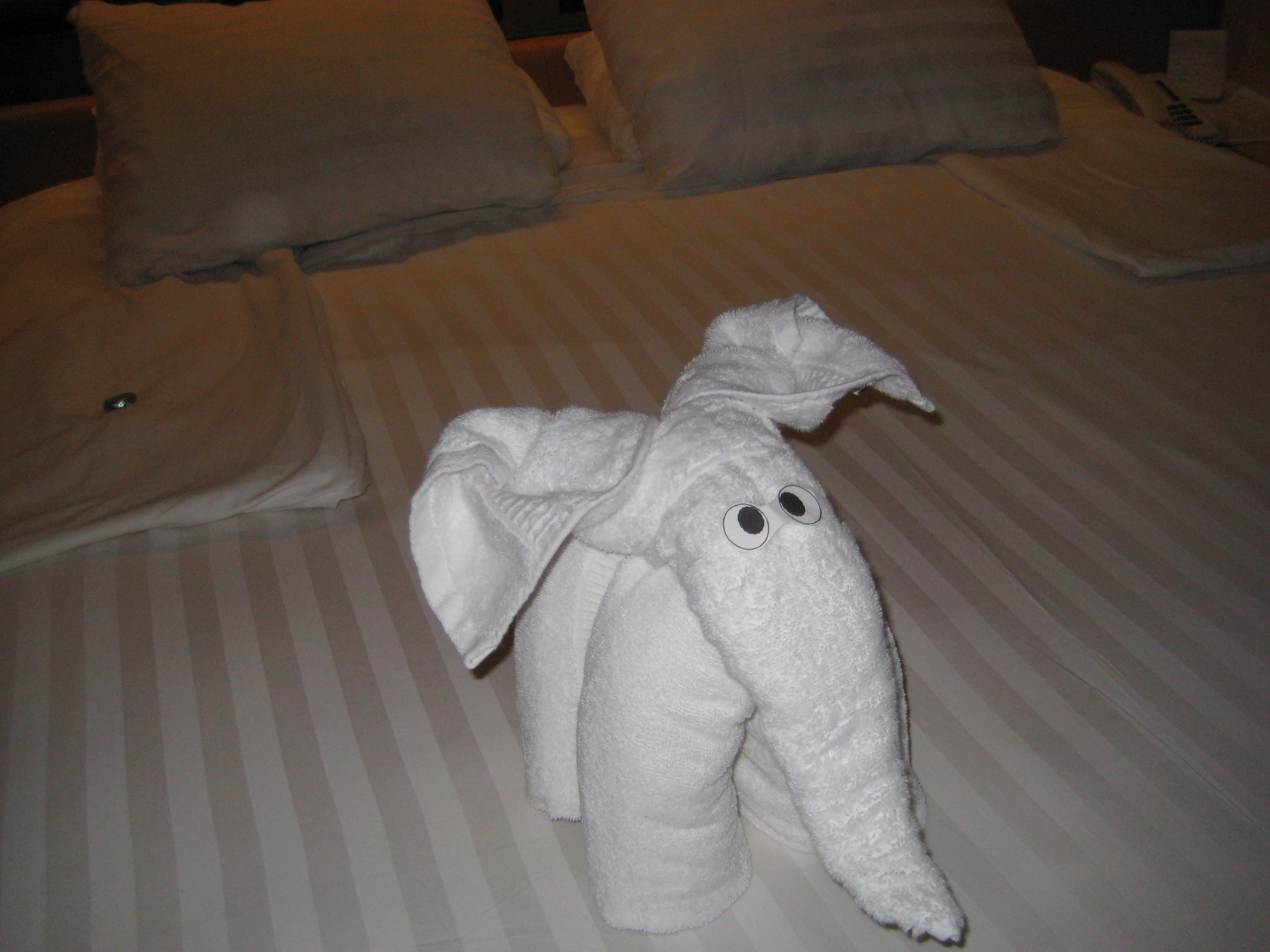
Towel Animal

Towel Animal

We attended the Good Morning Amsterdam show and a guided meditation class with Danube, the staff Lifestylist. It was a class where Danube talked you through the breathing and guided your mind with a soft voice. Kent thought that it was weird and silly and had a hard time to get into it. Mark thought that it was interesting although kept thinking of other things and had a hard time concentrating on the guides’ message. It seemed too slow moving for me to keep my attention.

Otherwise, today was a very quiet day onboard the ship with the exception of the Super Bowl party and game. It is Monday on the ship since we passed the International Date Line so we had a Super Bowl Monday party in the main lounge. They had it decorated with from top to bottom with flags, posters, lights and festive party favors and noise-makers. They showed the game on a large screen and had ballpark food like popcorn, potato chips, tortilla chips with salsa, hamburgers and hot dogs, pizza and plenty of beer and other drinks. Being uninterested in football we only stayed long enough for Kent to have a bite to eat. We did miss the drama of the power outage, but quickly caught up once we turned on CNN.   We headed out to walk for 45 minutes as we do as often as possible. On deck three you can walk completely around the ship and every 3.5 laps around the deck is equal to one mile.  It takes us about 5 minutes to do a lap.

Tonight’s entertainment was another concert by the Celtic Tenors from Ireland.

February 2 and 3, 2013 International Date Line

February 3, 2013 International Date Line Crossing

Today we crossed the International Date Line and lost an entire day. Yesterday was Friday and Today is Sunday. The International Date Line follows the meridian of the 180-degree longitude roughly down the middle of the Pacific Ocean, although it deviates to pass around the far east of Russia and various island groups in the Pacific. The International Date Line mostly corresponds to the time zone boundary separating +/- 12 hours Greenich Mean Time.

Bruce Linder’s lecture today was on: The Cruise of the Great White Fleet during the beginning of the twentieth century under the presidency of Teddy Roosevelt. It was the first time that the U.S. had built a fleet of naval ships and paraded them around the world in a show of power. It was also a time when the navy gained incredible knowledge about how to manage a fleet of ships that needed coal to propel them and how to re-supply the ships on a regular basis. We began to have agents in ports around the world to negotiate and procure supplies, which is still done today.

In the afternoon we went to see the movie: 2016 Obama’s America in the movie theater. This was the propaganda movie that was released during the 2012 presidential campaign to discredit Obama. It does everything to make you believe that Obama is a communist with an agenda to overtax and support the Muslim extremist agenda. Several people walked out during the film and many were outraged after it was over. In particular Canadians and Germans told us that they thought it was outrageous and that in their countries people thought that we were crazy if we elected Romney. They seemed happy and pleased that we had re-elected President Obama.

Tonight was Classic formal night in the dining room. The tables and chairs are decked out in Black and White and everyone was dressed up. The entertainer tonight was a gentleman by the name of Andy Bunger. Andy is a multi-instrumentalist from Germany who plays the panpipes, marimba, steel guitar, drums, saxophone and trumpet. He was an excellent musician.

February 1, 2013 Sea Day

February 1, 2013  Sea Day

We are sailing towards New Zealand now but will not arrive in Auckland for several more days. Jonathan Mercer, the Captain of the ship was the featured guest at the Good Morning Amsterdam show today. He is from England although he is married to an American woman and has resided in Florida for the past 17 years. He had a great sense of humor and was a delightful guest.

Charlie Urbanowicz lectured on “World War II in the Pacific” today. He discussed some of the important battles between 1941 and 1945, including Guadalcanal, Iwo Jima, Okinawa and the bombing of Japan.

Bruce Linder’s lecture today was on: The Intriguing Voyage of the U.S. Frigate Essex during the War of 1812.

Tonight twelve of us went to dinner in the specialty restaurant onboard called the Pinnacle. We were seated at a large table in a private dining room at the rear of the restaurant, which was beautifully decorated. The walls were lined with gorgeous oil paintings; the chairs are painted gold and are upholstered in a red velvet fabric. The service was exceptional with several waiters tending to our table. The menu is a step up from the main dining room and the food is prepared by a chef that only services the Pinnacle restaurant. The portions of filet mignon, lobster, pork and steak Diane were very large. After dinner they brought us trays of homemade chocolates of which we needed just a few more and they were happy to bring us.

The entertainment on this night was a couple of International Ballroom Dancers by the name of Natalia and Michael. He is from Wisconsin and she is from Moscow. They live in LA where they have a dance studio and entertainment company. The show was a variety of Latin dances.

January 31, 2013 Rarotonga-Cook Islands?

January 31, 2013  Rarotonga, Cook Islands Cruising

We were scheduled to stop at Rarotonga on this day to take a tour of the island however the seas were too rough for us to stop. Here is what we missed. Rarotonga is the most populated island of the Cook Islands. Although Cook Islanders are referred to as Rarotongan, they may in fact come from any of the 15 islands in the group, such as Aitutaki or Mangaia. The island of Rarotonga stands over 14,750 feet above the ocean floor and is 20 miles in circumference. At a depth of 13,000 feet, the volcano is nearly 31 miles in diameter. Te Manga, at 2,140 feet above sea level is the highest peak on the island. The island contains many resorts and hotels for tourists who enjoy swimming, diving and boating. The perimeter of the island has beautiful white sandy beaches while the interior of the island is mostly unpopulated with forbidding terrain, dense green vegetation and lacks dependable roads. No roads cross the island and there are only two bus routes: Clockwise and Counter Clockwise.

The ships crew quickly changed the day’s agenda to accommodate our early departure after a quick cruise around the island. Unfortunately the skies were gray and rainy and the seas were rough so there was not much that we could see of the island.

Bruce Linder lectured on: How the West was Won…..by Sea. He discussed how ships played an important role in the Pacific during the nineteenth century when the northwest was largely unexplored and uninhabited. At the same time Americans were traveling west by wagon train, ships were busy exploring the coast and even trading furs in the Oregon Territory.

Charlie Urbanowicz lectured on: Gauguin, as well as other Europeans, and the Pacific. He discussed how Gauguin was one of the most romantic observers of island life in the Pacific and how he drew inspiration from Easter Island, New Zealand and Tahiti. Gauguin was only one of several artists at this time that all shared ideas and painted very similar themes but each with a unique perspective.

The evening’s entertainment was a group of three Celtic Tenors from Ireland who performed a variety of music from traditional Irish songs to opera. They put on an excellent show and were well received by the audience, especially the one who sang the whole show with his zipper open.