October 19, 2016 — Cochem, Germany

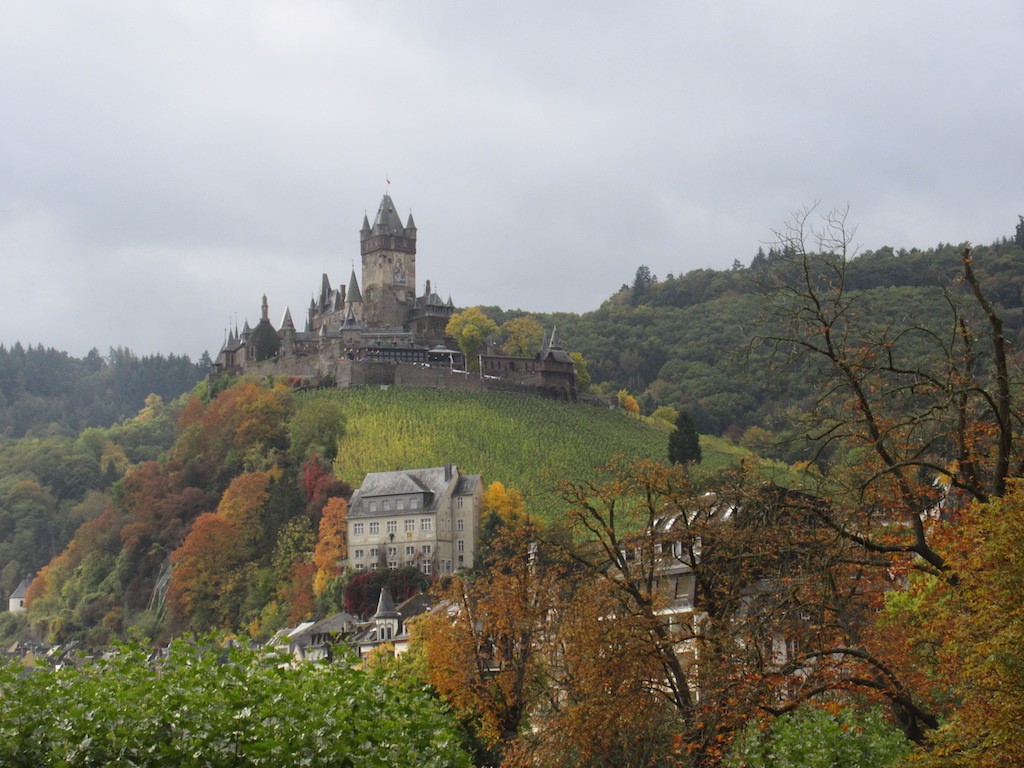
Cochem - Castle

Cochem – Castle

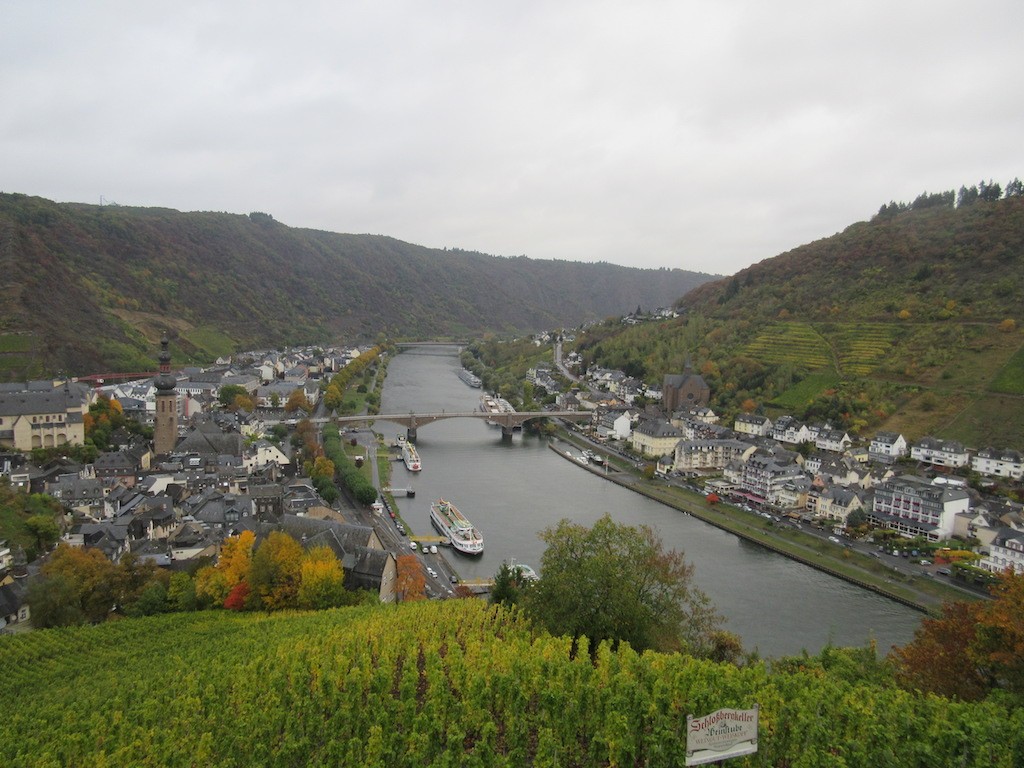
Cochem - View from the castle

Cochem – View from the castle

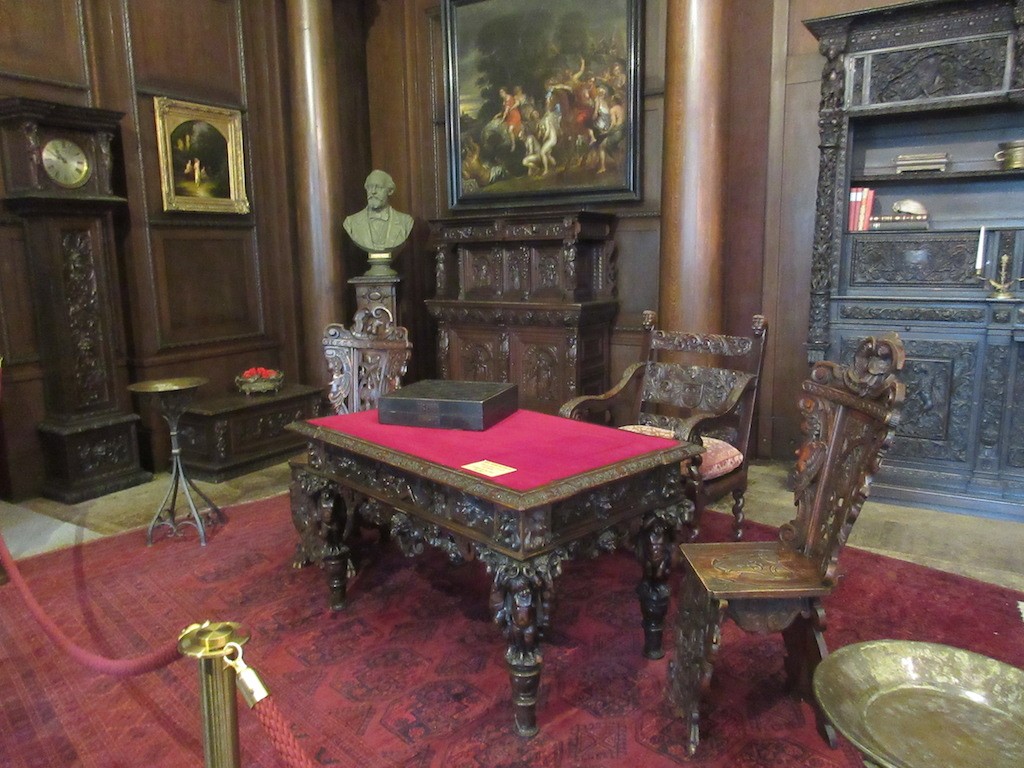
Cochem - Interior of castle

Cochem – Interior of castle

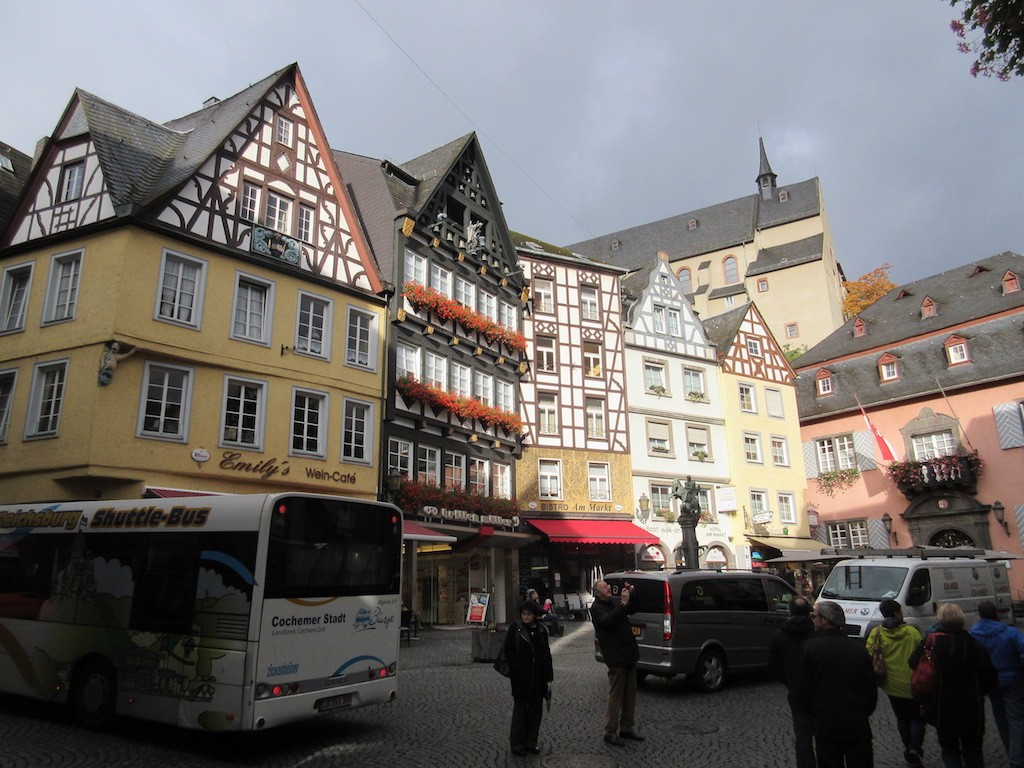
Cochem - Town Square

Cochem – Town Square

Cochem was believed to be settled in the year 886 and today is a town of only about 5,000 residents. We visited the Reichsburg Cochem Castle built around the year 1,000 by Count Ezzo. The castle was occupied by many rulers of the time until the year 1689 when King Louis XIV of France invaded the Rhine and the Moselle area and the castle was set on fire and blown up. The castle remained in ruins until a Berlin business man of French dissent named Louis Ravene bought the castle and the grounds in 1868 and began to rebuild the castle. The castle was rebuilt in the Neo-Gothic style that was popular at the time and used as a family summer residence. Today the castle is still furnished with Renaissance and Baroque furniture collected by the Ravene family. Since 1978 the castle has been owned by the local town of Cochem.

You have panoramic views over the Moselle River from the castle as well as the surrounding vineyards and the entire town of Cochem. The castle tour took us through the main public rooms that are elaborately furnished in an eclectic variety of furnishings from many periods of time and regions of the world. There are taxidermy animals, Asian carpets and vases, elaborately hand carved furniture, stained glass windows and so much more.

After our tour of the castle we walked back to the ship through the charming village streets. The narrow winding lanes are filled with small shops, restaurants and bakeries full of delicious looking cakes, oversized cream puffs and Black Forest Cakes. Many of the buildings date back hundreds of years and feature unique architecture and ornamentation.

We set sail at 12:45pm for our next port of call. At 3:00pm Monika, our wine expert onboard, provided us with information about the local Reisling wines complete with a wine tasting.

The food onboard has been good but not exceptional. For breakfast they offer an omelet station plus a full buffet. The buffet always has fresh fruit, cereals, oatmeal, bacon, eggs, toast and a couple of unique items like French toast or stuffed crepes. At lunch they serve a choice of a hot or cold soup, a choice of two hot entrees and a sandwich option, plus an option of two desserts. For dinner there is usually a soup, an appetizer, a choice of three entrees and a choice of dessert. Red and white wine flows freely at dinner.

The desserts are often not as sweet as we would prefer and they often sound better than they taste. For lunch today they offered what they called lemon pie. Their version of lemon pie was a thin slice of white cake on the bottom with a lemon flavored whip cream filling and little sugar and covered with raspberry sauce.

The weather was rather cool today requiring a fleece and heavy jacket to go out in the elements. The morning was dry but by afternoon we had some light sprinkles and grey skies.

The afternoon cruising included miles of quaint charming towns and villages, several locks and endless rows of vineyards. Rising up from the waters edge are row after row of grapevines, often planted in vertical rows. The hillsides are often steep but they continue to plant the grapes as high as humanly possible. Maintaining these vines must be extremely difficult not to mention the difficulty they must have with harvesting the fruit.

After dinner they showed the movie Patton in preparation of our visit to Luxembourg the next day where General George S. Patton is buried.
October 18, 2016 — Koblenz, Germany

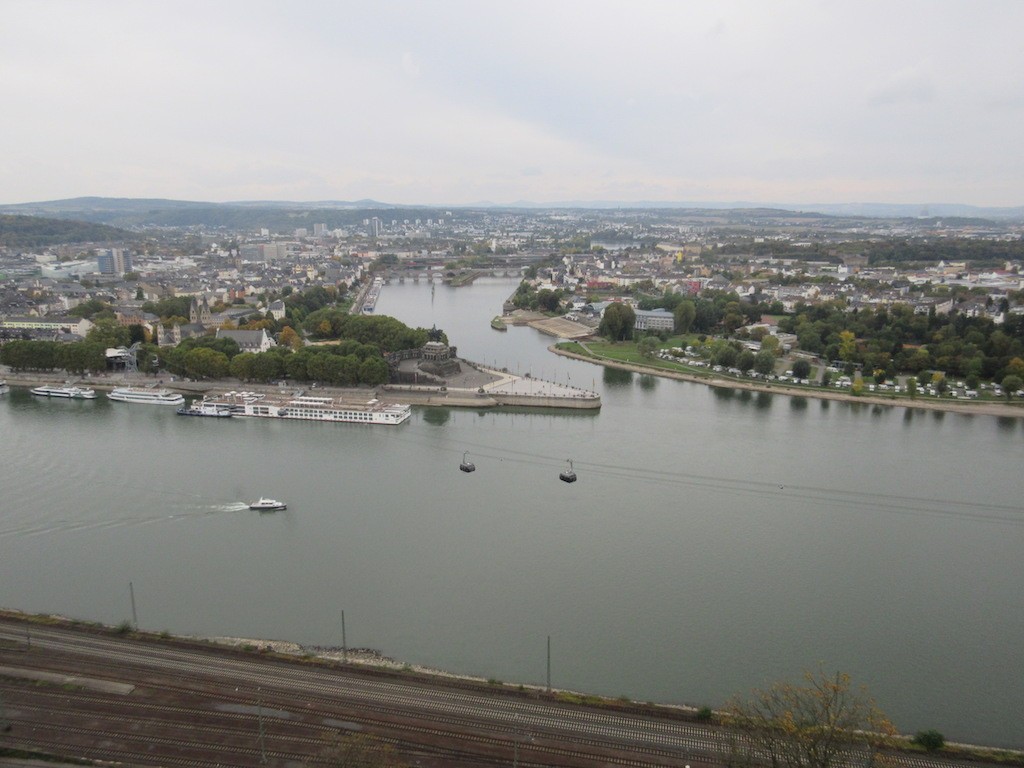
View of the confluence of the Rhine and Moselle Rivers

View of the confluence of the Rhine and Moselle Rivers

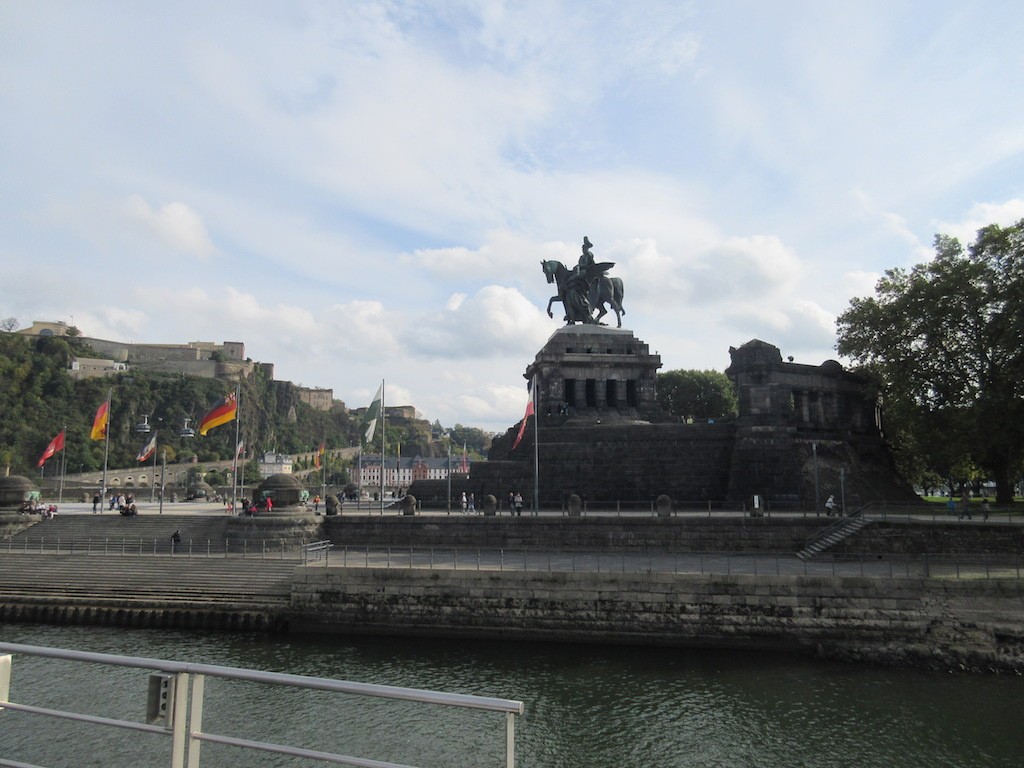
Koblenz - Statue of William

Koblenz – Statue of William

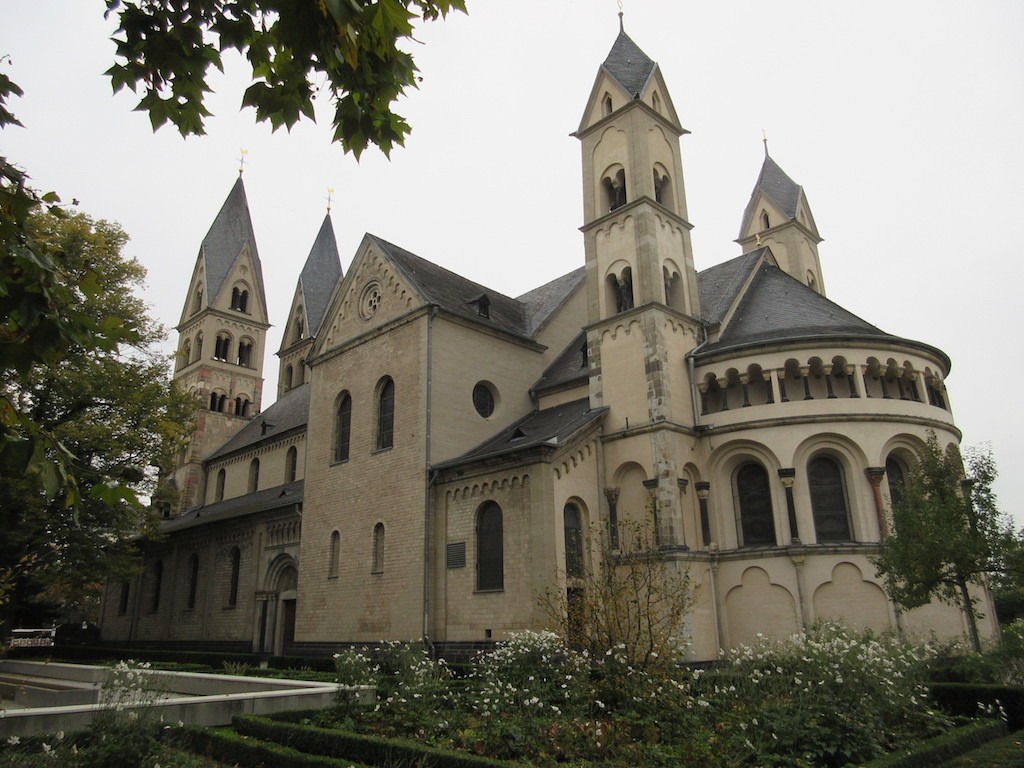
Koblenz Church

Koblenz Church

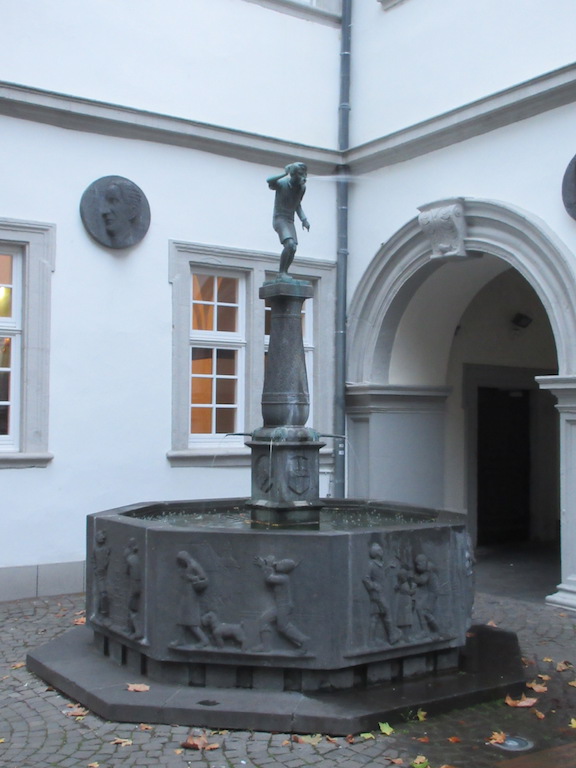
Loblenz Fountain

Loblenz Fountain

This morning we met with our onboard guest sommelier Monika, who gave us an informative lecture about the wines of the Rhine-Moselle region. She discussed the types of wines that we will find in the region as well as how to read the bottles to find the variety of wine, quality, etc.

The weather was clear, sunny and cool as we transited the river. The river is very built-up with many modern towns and villages along the way, contrasted with very old stately mansions and castles. Vineyards rose from the rivers edge steeply up the surrounding hillsides in perfect rows. Lush trees surround the towns, all beginning to turn shades of yellow, orange and red.

About 3:00pm we arrived in the town of Koblenz, a 2,000-year-old city strategically set at the confluence of the Rhine and Moselle Rivers. Koblenz is an ancient city in central Germany, and a gateway to the terraced vineyards and ruined castles of the Rhine Gorge. In the center, a monumental statue of William the Great marks the confluence of the two rivers. A cable car connects to the hilltop Ehrenbreitstein Fortress, which hosts museums and cultural events.

We took our own walking tour of the city including the fortress Ehrenbreitstein which we reached by cable car. Occupying the position of an earlier fortress destroyed by the French in 1801, it was built as the backbone of the regional fortification system by Prussia between 1817 and 1828 and guarded the middle Rhine region, an area that had been invaded by French Troops repeatedly before. The Prussian fortress was never attacked. Since 2002, Ehrenbreitstein has been part of the UNESCO World Heritage Sites Upper Middle Rhine Valley. The views from the fortress atop the hill are spectacular. You not only get a great view of the Rhine and Moselle Rivers but a great view over the city.

The town is very charming with a large central square featuring a fountain and statue representing 2,000 years of history. There are several playful statues around town including a young man who will spit water at you if you are standing in the wrong spot.

After dinner we were treated to a local classical music group called La Strada. One young man playing the guitar and two young women playing the violin entertained us for about 45 minutes. They looked to be college aged and were excellent musicians. Several folks napped during the concert but most appeared to enjoy the classical music.

October 17, 2016 — Arnhem, The Netherlands

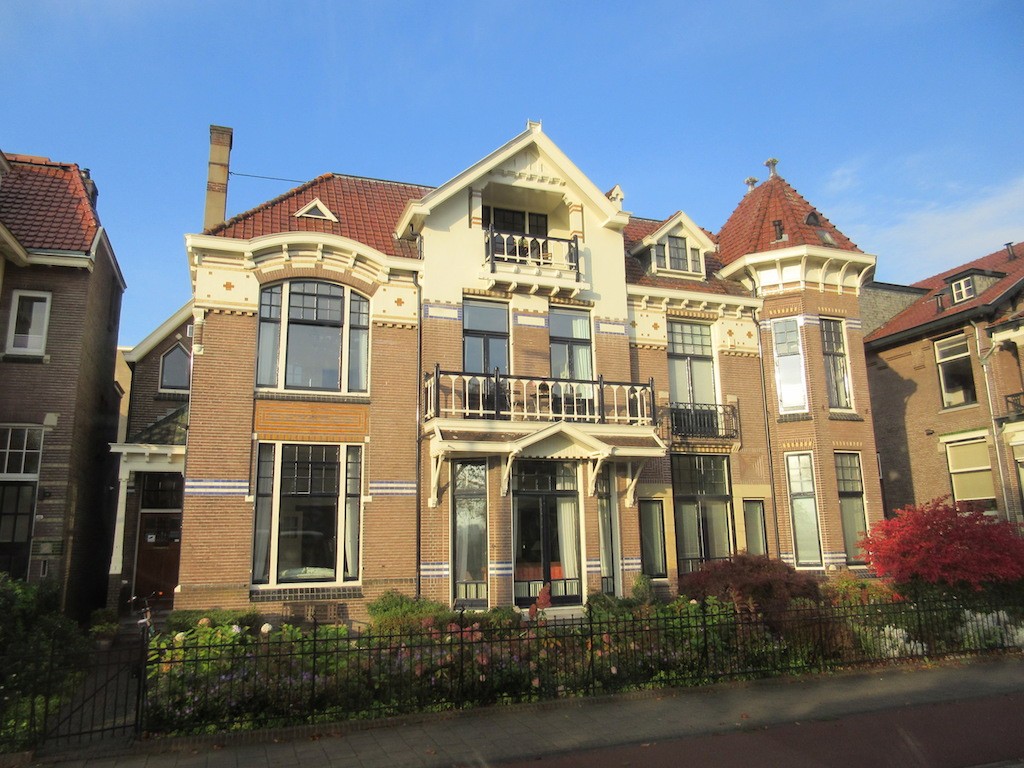
Arnhem Stately Home

Arnhem Stately Home

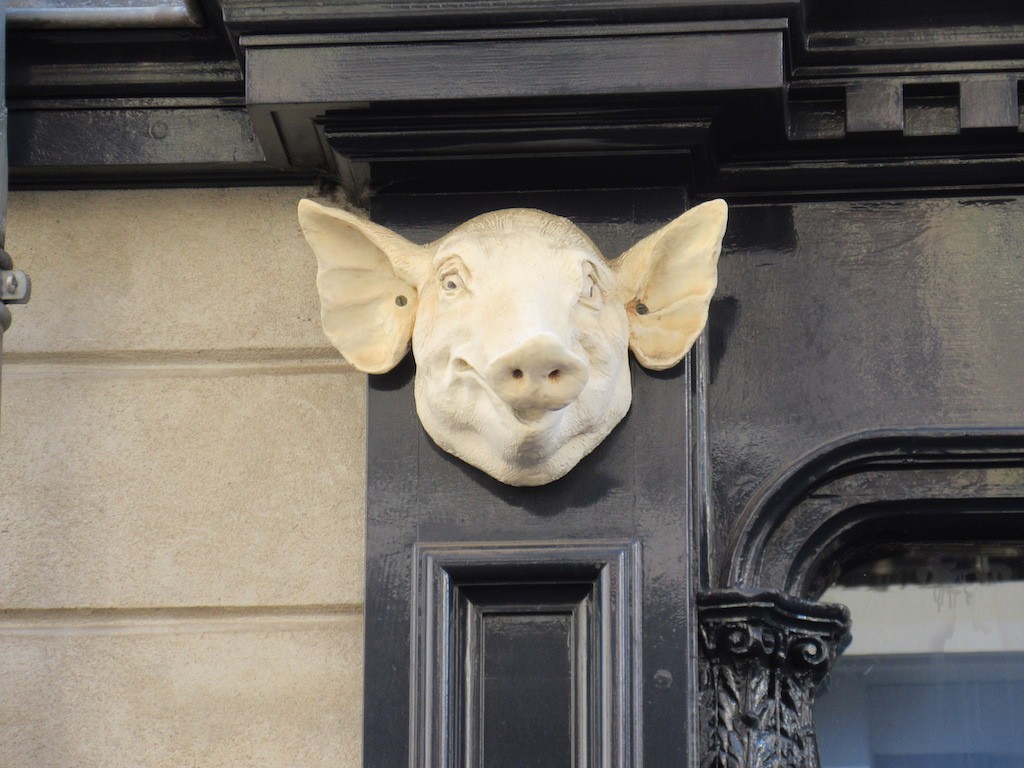
Arnhem Shop

Arnhem Shop

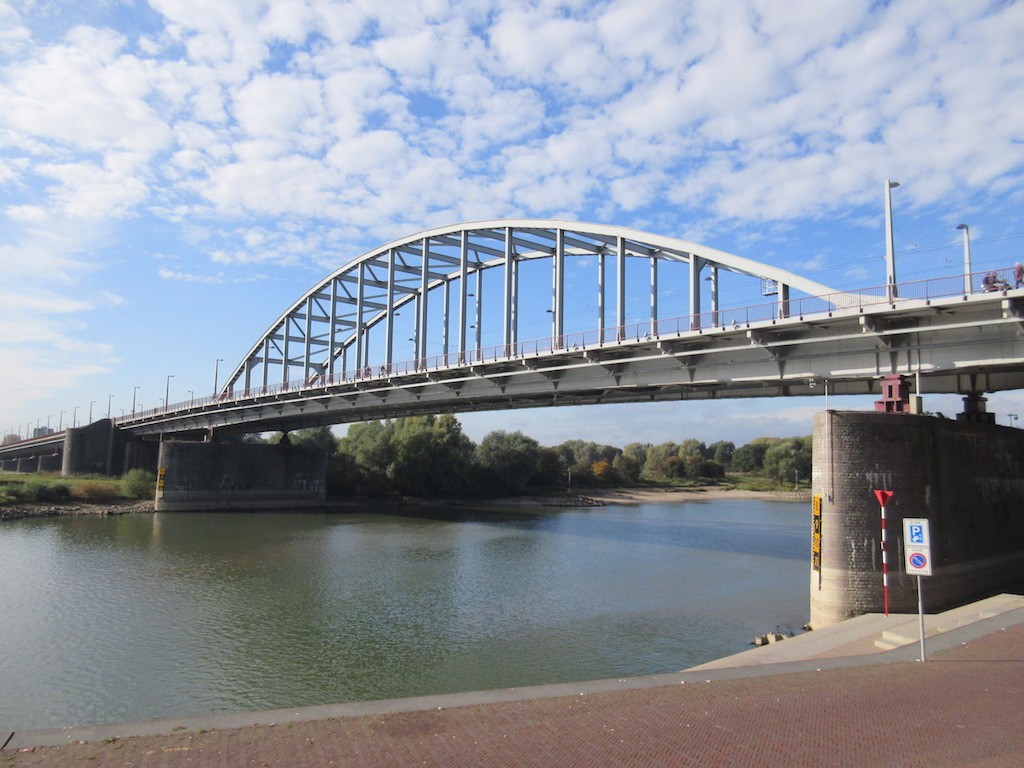
Arnhem - Bridge Too Far

Arnhem – Bridge Too Far

This morning some onboard visited the National Liberation Museum in nearby Groesbeek. The Liberation Museum is set in the beautiful landscape near Nijmegen, Arnhem and the German border, a unique location: Operation Market Garden, the largest airborne operation in history took place here in September 1944 and Operation Veritable, the Rhineland Offensive, the final road to freedom in Europe, started from here in February 1945.

The museum brings the historical events of the liberation by the American, British, Canadian and Polish troops back to life. In the museum they saw the period preceding the war, experienced the occupation, celebrated the liberation and witnessed the rebuilding of the Netherlands and Europe after the war. Aromas, interactive presentations, diorama’s, models, original films and sound fragments captivatingly depict the liberation. The museum shows both young and old the current value and importance of democracy, freedom and human rights.

Not wanted to be depressed by memories of war, we chose to take an alternative panoramic bus tour of the Arnhem area followed by a walking tour in the heart of the city. Our tour took us through some stunning scenery from simple country cottages to large stately homes. Everywhere we went, there were lush green trees planted in rows surrounding each plot of land and many just beginning to turn colors in the fall air. We did drive by the fields where some 25,000 allied soldiers parachuted into the area in a failed attempt to take control of the bridges (one was the famous Bridge Too Far) crossing the local rivers.

In town we heard about the history of many of the old buildings and shops lining the pedestrian only streets in the heart of town. The shops used to have three dimensional figurines mounted on the front of the shops to tell passers by what they sold inside. For example, a pig’s head might indicate that it was a butcher shop where they sold pork, while a cow might indicate that it was a Jewish butcher where beef was sold but no pork.

We returned to the ship about 12:30pm in time for lunch and to begin sailing towards our next port of call Koblenz, Germany. Due to the low water levels and heavy traffic on the river it would take us about 28 hours to reach our destination. In addition to the many tourist river boats there are many commercial goods transported on the river.

For dinner, the ship had prepared a special captain’s welcome cocktail party and dinner for us. They served a four course dinner including lobster soup, veal tenderloins and crème Brule. After dinner they showed a film about the Andre Rieu Concert. Andre is a violinist and conductor who is trying to bring classical music to the masses by making it entertaining. In this case the concert including vocalists, ballroom dancing, ice skaters dancing, elaborate costumes all in a fairy tale setting of a stately manor home. We were not familiar with him but others said that he is often shown on public television programs.

October 16, 2016 — Bruges, Belgium to Arnhem, The Netherlands

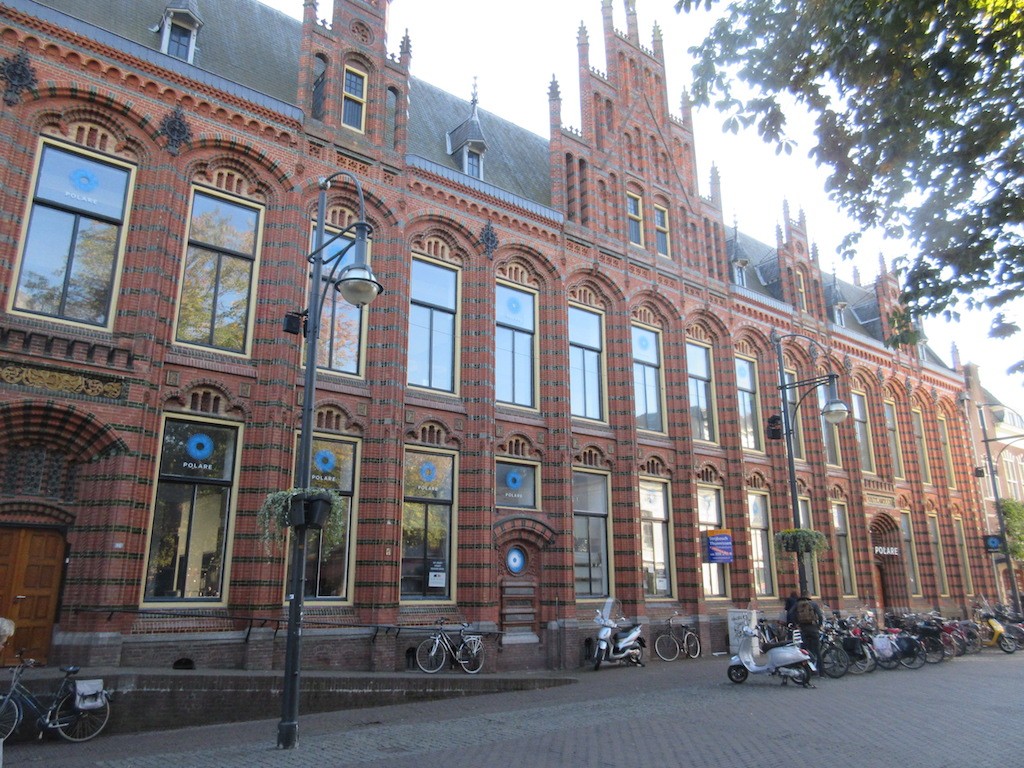
Arnhem Post Office

Arnhem Post Office

Arnhem Architecture

Arnhem Architecture

Arnhem Eusebius Church

Arnhem Eusebius Church

This morning we departed Bruges about 8:30am, bound for the town of Arnhem in The Netherlands. The weather was beautiful, sunny and warmer than it had been over the last couple of days. The drive took about two hours to reach the border with The Netherlands where we were greeted by a local guide from Arnhem. We stopped at a roadside convenience stop near the border for the bus driver’s mandatory rest period before proceeding on to Arnhem. The drive from the border was another 1.5 hours to our ship in Arnhem.

Arnhem, a city of about 150,000, is located in the Eastern part of the Netherlands and is where we board our riverboat called the Ms. River Splendor. The River Splendor, built in 2013, is a 442-foot-long by 38-foot-wide riverboat with a maximum capacity of 176 passengers and 46 crew members. This will be our home for the next two weeks.

Arnhem was a genteel nineteenth-century resort town admired for its wealthy homes and lush parks. Its renown grew during World War II, when an attempt to liberate the city failed after British, and Polish paratroopers were dropped too far from the city’s strategically important bridge to take it. Their heroism was depicted in the 1977 film A Bridge Too Far.

After lunch onboard we took an afternoon walking tour into town. Being a Sunday afternoon, many of the local shops were closed but most of the restaurants were open and the streets were filled with locals out for a bite to eat or an afternoon beer. We stopped at an old beautiful church called Eusebous Church, only used for church services once a month and now mostly used as a public exhibition space and performance hall. No altar, pews or ornamentation remain in the church. They were having an organ concert played on an ornate organ installed in the 15th-century church after World War II. The church features a 300-foot-tall bell tower with the largest carillon bell in The Netherlands.

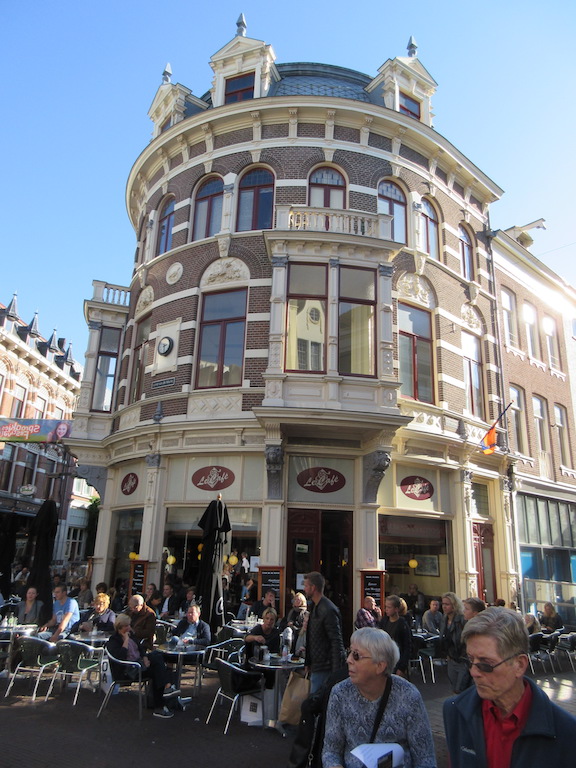
The streets were filled with gorgeous architecturally stunning buildings built over the last several hundred years. The old post office now being converted to a brewery is stunning. Many of the shops were unique to us and featured beautiful clothing, instruments, cafes and shops. Many of the streets are pedestrian only, which allows you to wander freely without the fear of being hit by a car, but you still need to watch for bicycles that are everywhere in the city.

October 15, 2016 — Bruges, Belgium (Hotel Oud Huis de Peellaert)

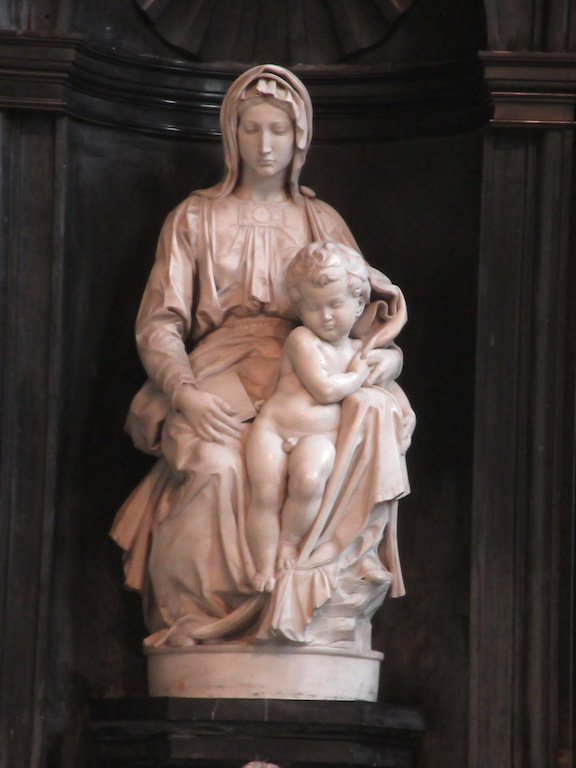
Michelangelo's Madonna and Child

Michelangelo’s Madonna and Child

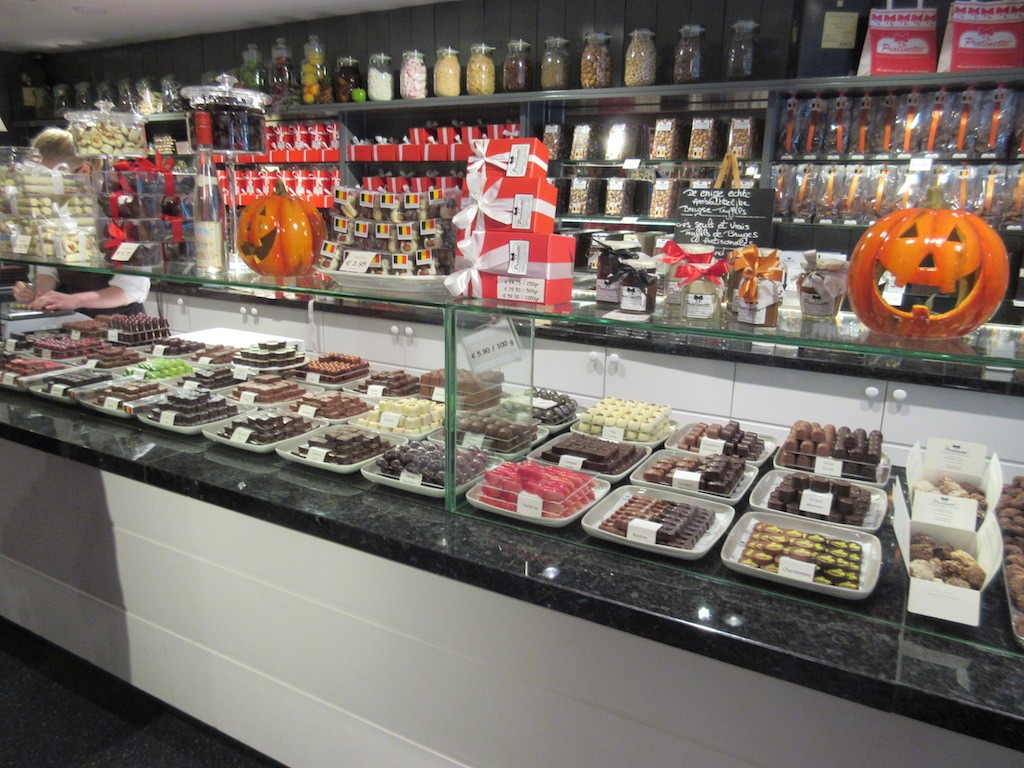
Bruges Chocolate Shop

Bruges Chocolate Shop

St Anna's Church

St Anna’s Church

Our 50 room hotel was the 19th century aristocratic house of Baron de Peellaert and is located just 500 feet from the cities Big Market Square. It is very grand with beautiful traditional public rooms with crown moldings, heavy draperies, wing back chairs, ornate chandeliers and fine wood furniture.

Our buffet breakfast was served in the Orangerie room with a view of the hotels inner garden. Scrambled eggs, fresh fruit, cold-cuts, bacon, sausage, pastries and breads, cereal, juice and coffee were served. Very nice! We met a couple named Marie and Charlie at breakfast who were on the river cruise we took last year from Paris to Normandy and back. Otherwise we do not recognize any of the folks on the trip with us.

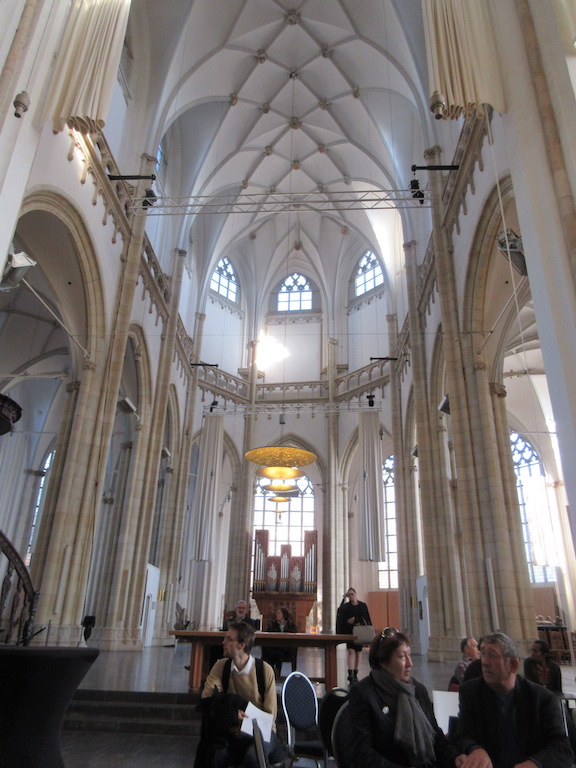
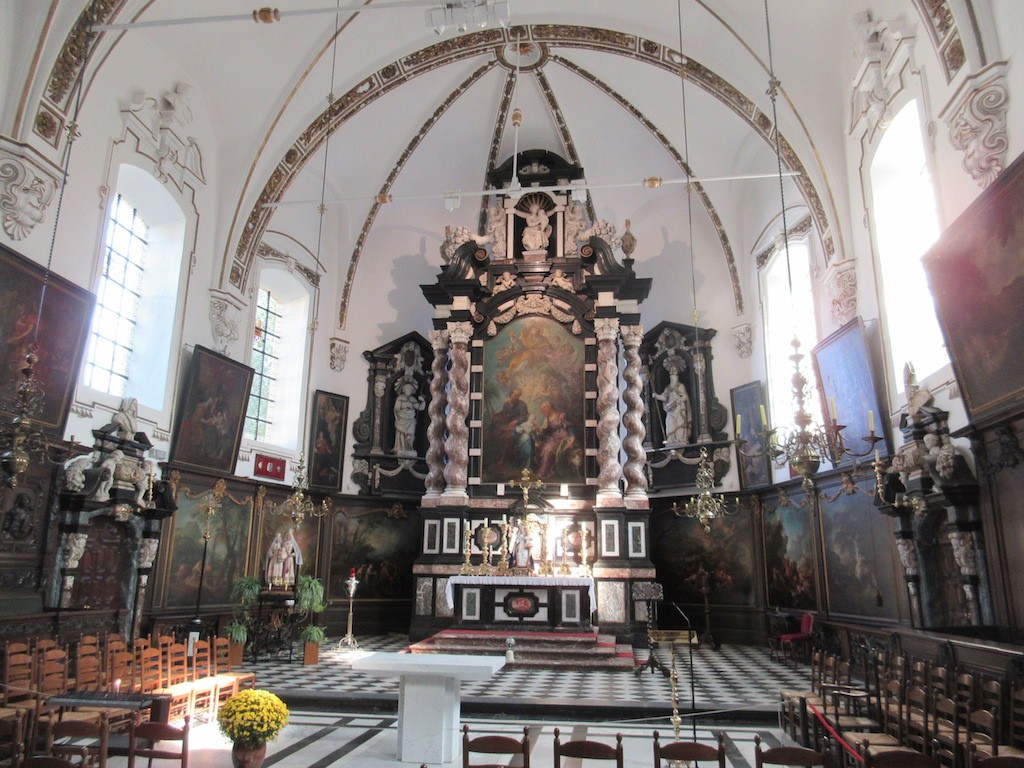
Our local guide, who grew up in Bruges, took us on a three-hour walking tour around the center of town to see some of the highlights. We visited the Onze-Lieve-Vrouwekerk church which dominates the Brugian skyline with its 373-foot-tall tower. This makes it the second highest brick building in the world. Building work on the current church began in 1225. It has a main central nave in Tourney stone finished in a typical Gothic style. It was the 15th century before a spire crowned the church tower, and even later when the choir and the central nave were finally roofed over.

The highlight of the church is Michelangelo’s marble Madonna and Child from 1505. The choir contains the tombs of Mary of Burgundy and Charles the Bold. Above the alter hangs a triptych showing the passion of Christ by the official court painter of Margaret of Austria, Bernard van Orley.

We also visited a chocolate shop where they make their own chocolates and we even got to sample the chocolate.

In the afternoon we went out walking with several ladies who are traveling alone. They were interested in visiting the Adornes Estate which has been in the same family since the early 1400’s. At the estate you are able to visit the Jerusalem Chapel that was consecrated in 1429 and was inspired by the Church of the Holy Sepulcher in Jerusalem. We also visited a very ornate church called St. Anna’s Church, the Basilica of the Holy Blood and Magdalene’s Church.

Along our walk we took in the Begijnhof Nunnery where we visited a small museum on the site. Just outside of the nunnery was a large section of canal where a large number of white swans were hanging out.

We stopped at a small waffle shop where we ordered Belgium waffles for everyone. The waffles came with chocolate, bananas, honey or plain. The waffles were made from a thick dough and they have a fair amount of sugar in them. The density of them is much heavier than we have at home.

After our four hour walk, we joined the other guests at a local brewery where we each tried a local variety of beer. The type of beer that I tried was one that was a bit sweeter and had a cherry flavor. Still not my thing, but it was interesting to try.

For dinner Kent and I had a bite to eat at an Asian noodle shop called Marco Polo Noodles. The food was very nice.

October 14, 2016 — Brussels and motor coach to Bruges, Belgium

bruges-city-hall

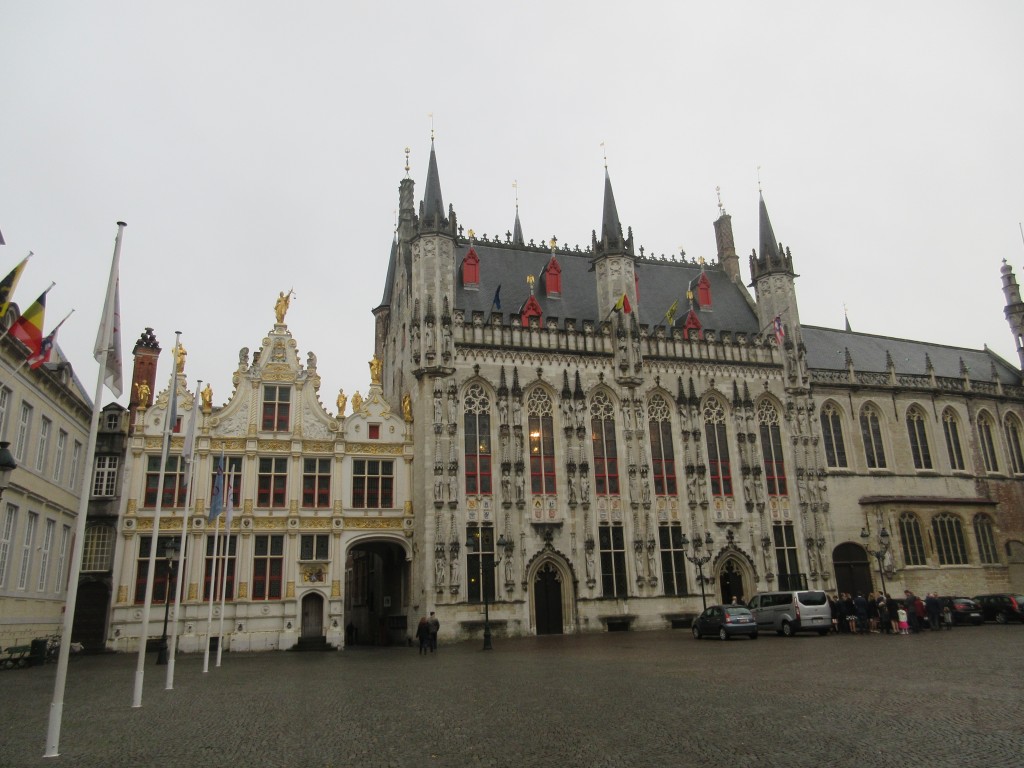
Bruges City Hall

Bruges Canal

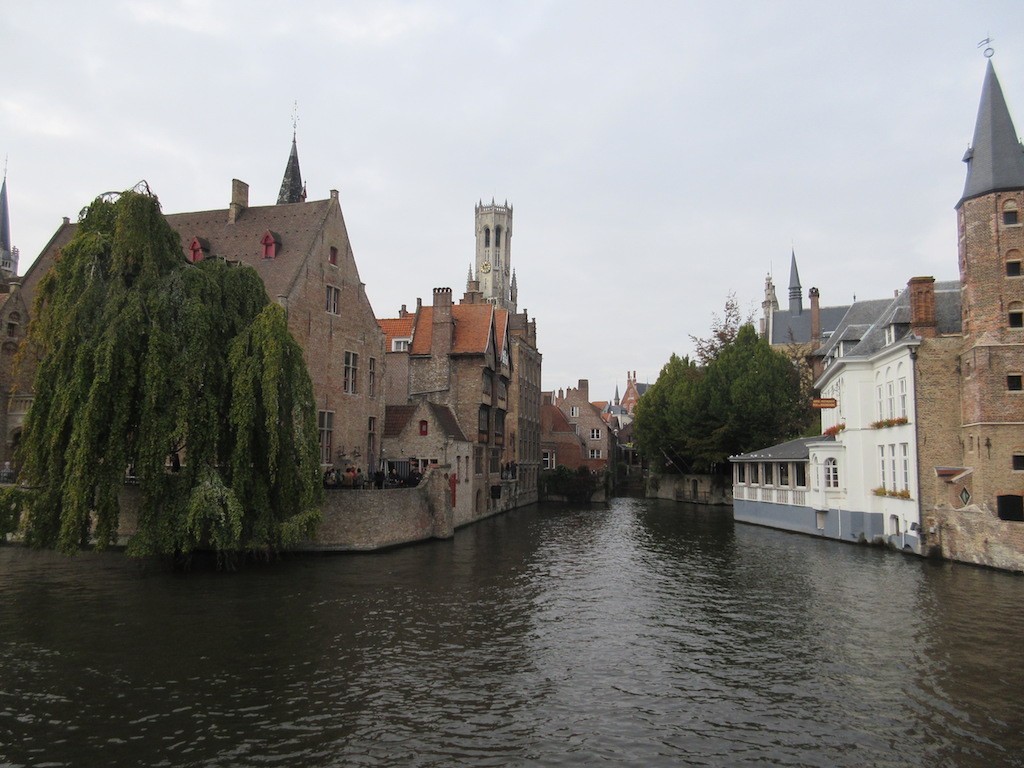
Bruges Canal

This morning we arrived in Brussels at 9:15am local time before we were taken by bus to the town of Bruges located about 65 miles away. The drive took us through beautiful countryside where the fall leaves are beginning to turn. We saw many corn fields, horses, cattle and sheep.

Belgium is located on the North Sea surrounded by the Netherlands and Germany on the east, France on the west and Luxembourg on the south. Belgium has a population of about 11,000,000 inhabitants. Because of its proximity to these other nations, 60% of the population speak Dutch while the other 40% speak French.

The name Bruges is derived from the Old Dutch word meaning bridge. Bruges is the capital and the largest city of the province of West Flanders in the Flemish Region of Belgium, in the northwest of the country. Bruges has a population of about 125,000 people and is a canal-based city similar to Amsterdam and Stockholm. Some refer to it as the Venice of the north. Due to its port it has significant economic importance and was once the chief commercial city of the world.

The historic center of Bruges is a UNESCO World Heritage Site created to protect the city with the best preserved historic medieval architecture. The most famous landmark is its 13th Century belfry housing 48 bells. The city still employs a full-time carillonneur, who gives free concerts on a regular basis. The Belfry tower stands some 272 feet high and is accessible for the public to walk up the tower’s 366 steps to the top.

Our hotel for two nights is the Oud Huis de Peellaert located just a couple of blocks from the main market square in the center of town. This 50 room historic hotel was created from two 19th century buildings built in the empire and classical style.

We were taken on a short walking tour around the heart of this historic city by our city host before exploring on our own for the remainder of the afternoon. Meandering cobblestone streets lined with beautiful stone and brick buildings line the streets. There are many chocolate shops, restaurants and stylish fashion shops. We stopped at a local hotel’s tea room for some croquettes for lunch.

In the early evening we had a welcome drink with the city host and the 38 of us who are on the pre-river cruise extension to Bruges. By 8:30pm we were exhausted and turned in for the night without having dinner.

October 13, 2016 — San Diego to New York to Brussels

We departed San Diego this morning at 7:00am bound for New York’s Kennedy Airport where we boarded a flight at 7:35pm local time bound for Brussels, Belgium. On the flight from New York to Brussels there were about a dozen Haredi (Orthodox) Jewish families onboard with anywhere from four to seven children each. I don’t believe that I have been around so many traditionally dressed Jewish folks in my life. They were all very polite, friendly and looked after the children well. They were headed to Antwerp, Belgium for something.

April 8, 2016 Return home

We left Schiphol Airport around 11:10am bound for Houston Texas. The flight time was around ten hours. At Houston we had to clear immigration and customs before proceeding back through security for our flight back to San Diego. After a three-hour layover we caught our flight back to San Diego arriving about 7:30pm. We were exhausted but happy to be home.

April 7, 2016 Rotterdam, The Netherlands

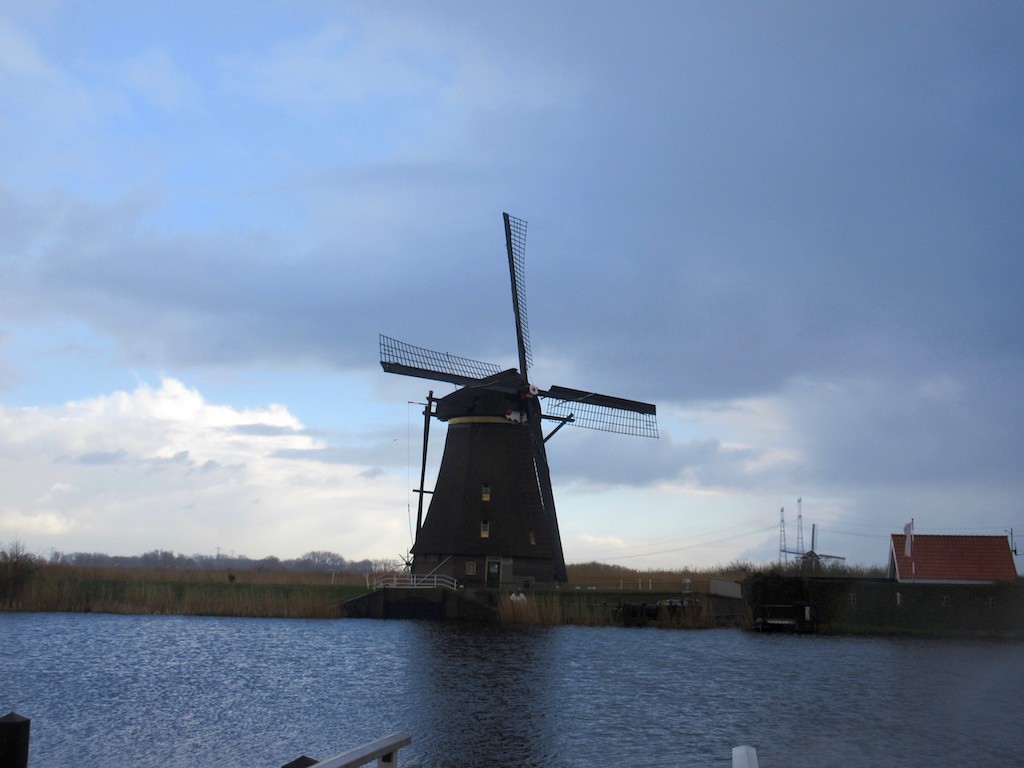
Rotterdam - Kinderdijk Windmills

Rotterdam – Kinderdijk Windmills

Rotterdam - Kinderdijk Windmill

Rotterdam – Kinderdijk Windmill

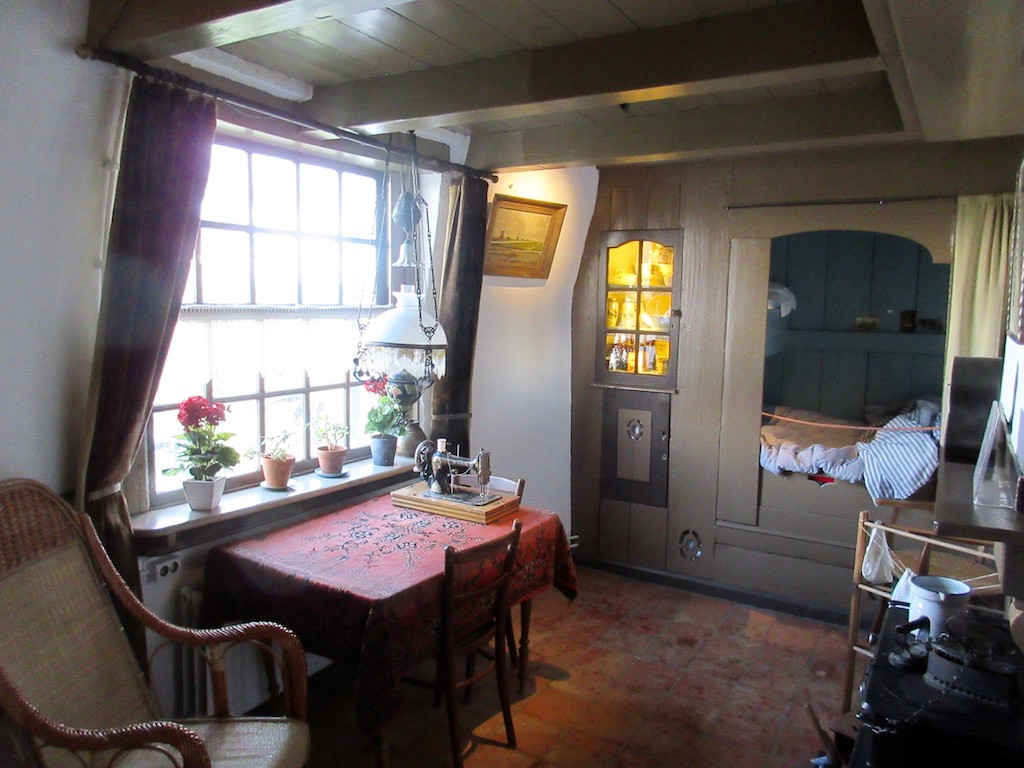
Rotterdam - Inside a Kinderdijk Windmill

Rotterdam – Inside a Kinderdijk Windmill

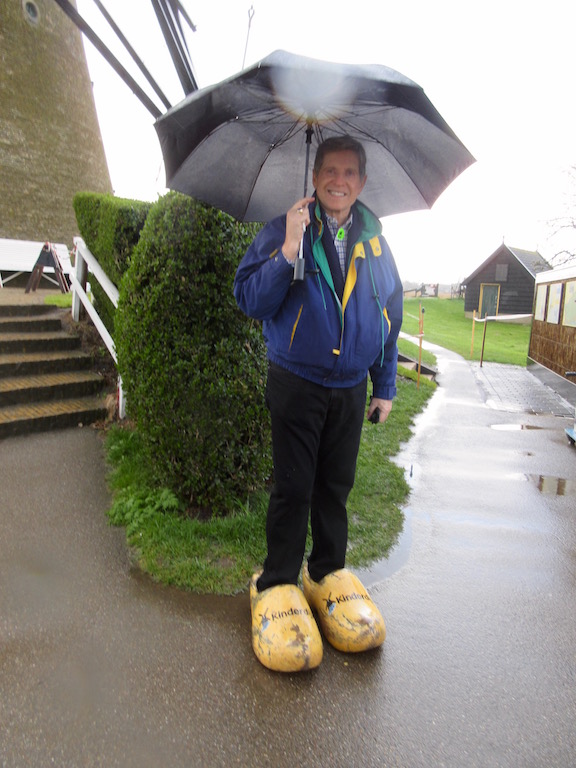
Rotterdam - Kent at the Kinderdijk Windmills

Rotterdam – Kent at the Kinderdijk Windmills

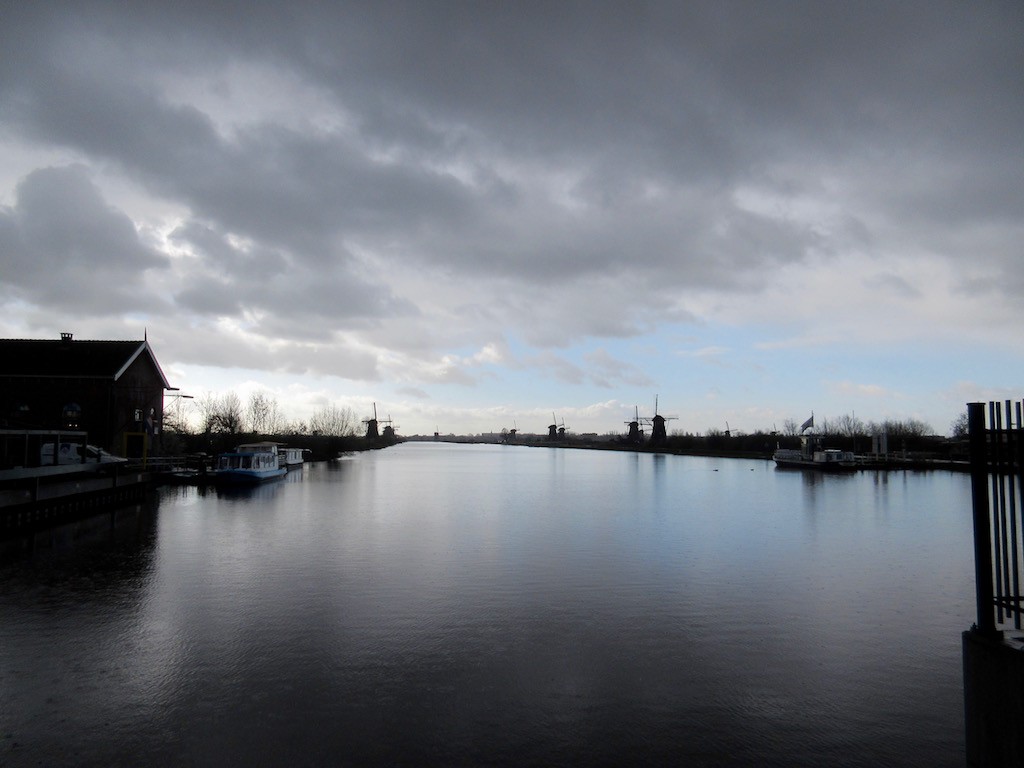
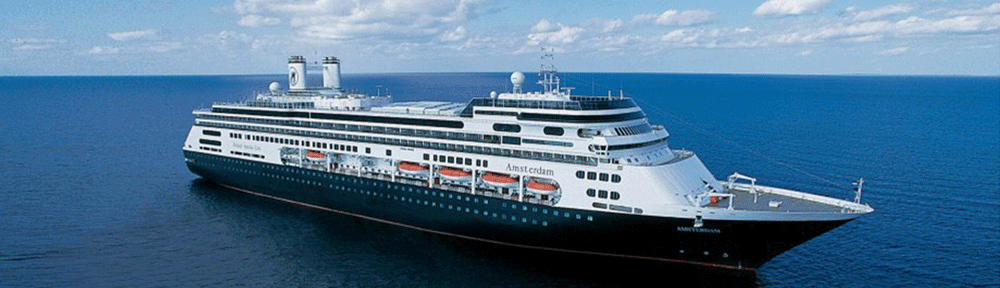
It was a sad day as it was the day that we disembarked the ship after being onboard for 91 days. The weather was typical Dutch weather, cold and rainy and even a bit of hail. We disembarked about 7:45 on our way to the Schiphol Airport for the night before our flight the following morning. On the way to the airport we took a tour titled Windmills of Kinderdijk. These vintage windmills were built in the 1700’s and are now a UNESCO World Heritage Site. The name of this charming village comes from the time of the St Elisabeth flood in 1421, when the villagers found a baby (kind) on the dike (dijk). The 19 windmills that remain intact today are lined up along the riverfront and were used to pump rising water into the canal and keep the village dry. Some of the windmills were also used for grinding grain into flour but this was not the main concern in this low-lying part of the Netherlands. Much of the Netherlands is below sea level so they have always had to deal with water management. We saw a short film before taking a tour inside one of these historic windmills. Families who ran the mills once lived in them so they were outfitted with a living room, kitchen, bedrooms and storage space. The windmill we toured had modern heating but in when they were in operation a fireplace was the only source of heat.

The hotel that we stayed at was called the Citizen M Hotel located at the Schiphol Airport. This is a newer brand of hotels with very small but efficient hotel rooms. The room was approximately seven by sixteen feet in size including the bathroom. The shower and toilet were enclosed within sliding curved glass doors, the shower glass was clear but the toilet glass was frosted. The bed ran from wall to wall under a giant picture window overlooking the airport tarmac. The lobby of the hotel was a large space broken into several smaller living rooms, meeting rooms, a coffee and liquor bar and a canteen where you could get food.

We had a nice lunch in the canteen. They use the services of an outside caterer who brought in two soups, some sandwiches, several salads, and fresh bread rolls for this day’s lunch. In addition to this they offered a wide variety of drinks, yoghurt, snack food, nuts. Everything was very nicely presented and the lunch was very good.

The check-in personnel are called ambassadors who assist you with the computer terminals where you can check yourself in 24 hours a day. It is a very interesting concept that will be interesting to see if it spreads.

April 6, 2016 Southampton (London), England

About 600 passengers disembarked this morning in Southampton, leaving only about 400 passengers onboard to make the journey to Rotterdam. Our stop was only from 7:00am until 10:00am so we did not leave the ship. We spent some of the morning packing for our return to San Diego.

In the afternoon Martyn Green spoke on a survey where travelers listed their favorite 50 places that they had visited or would like to visit before they die. Surprisingly we had been to many of them already. Mark finished a watercolor painting he had been working on and Kent went to the gym and sauna.